
Karazana vatolampy misy poizina ny granita noho ny tanjany, ny hakitroky ny endriny, ny faharetany ary ny fanoherany ny harafesina. Saingy tena azo ampiasaina amin'ny zavatra maro ihany koa ny granita - tsy ho an'ny efamira sy mahitsizoro ihany! Raha ny marina, miara-miasa amim-pahatokiana amin'ny singa granita namboarina amin'ny endrika, zoro ary fiolahana amin'ny karazany rehetra izahay - miaraka amin'ny vokatra tsara dia tsara.
Noho ny fanodinana maoderina ataonay dia afaka fisaka tsara ny velarana voapaika. Ireo toetra ireo no mahatonga ny granita ho fitaovana tsara indrindra hamoronana fototra milina sy singa metrolojia araka ny habe sy ny endrika manokana. Ny granita dia:
■ azo amboarina amin'ny milina
■ fisaka tsara rehefa tapahina sy vita
■ mahatohitra harafesina
■ maharitra
■ maharitra ela
Mora diovina ihany koa ireo singa vita amin'ny granita. Rehefa mamorona endrika manokana ianao dia ataovy izay hisafidianana ny granita noho ireo tombony azony.
FENITRA / FAMPIASANA MIARAKA AMIN'NY FIKARAKARANA BE
Ny granita ampiasain'ny ZHHIMG amin'ny vokatra takelaka mahazatra anay dia manana votoatin'ny quartz avo lenta, izay manome fanoherana bebe kokoa amin'ny fikikisana sy fahasimbana. Ny loko Mainty Ambony anay dia manana tahan'ny fidiran'ny rano ambany, ka mampihena ny mety hisian'ny harafesina rehefa apetraka eo amin'ny takelaka ny fitaovana fandrefesana ny fahamarinan'ny fitaovanao. Ny lokon'ny granita atolotry ny ZHHIMG dia miteraka taratra kely kokoa, izay midika fa tsy dia reraka loatra ny maso ho an'ireo olona mampiasa ny takelaka. Nisafidy ny karazana granita izahay sady nieritreritra ny fanitarana ny hafanana mba hampihenana izany lafiny izany.
FAMPIANARANA MANOKANA
Rehefa mitaky takelaka misy endrika manokana, fampidirana misy kofehy, lavaka na fanodinana hafa ny fampiharanao, dia tsara ny misafidy fitaovana toy ny Black Jinan Black. Ity fitaovana voajanahary ity dia manolotra hamafin'ny asa, fampihenana ny hovitrovitra ary fahaiza-manao fanodinana nohatsaraina.
Tsara homarihina fa ny loko fotsiny dia tsy famantarana ny toetra ara-batana amin'ny vato. Amin'ny ankapobeny, ny lokon'ny granita dia mifandray mivantana amin'ny fisiana na tsy fisian'ny mineraly, izay mety tsy misy fiantraikany amin'ny toetra mahatonga ny takelaka ambonin'ny tany ho tsara. Misy granita mavokely, volondavenona ary mainty izay tena tsara ho an'ny takelaka ambonin'ny tany, ary koa granita mainty, volondavenona ary mavokely izay tsy mety amin'ny fampiharana mazava tsara. Ny toetra mampiavaka ny granita, raha ny fampiasana azy ho fitaovana takelaka ambonin'ny tany, dia tsy misy ifandraisany amin'ny loko, ary ireto manaraka ireto:
■ Fahamafisana (fiviliana eo ambany enta-mavesatra - asehon'ny Modulus of Elasticity)
■ Fahamafisana
■ Hakitroky
■ Fanoherana ny fikikisana
■ Fahamarinan-toerana
■ Porosité
Efa nanandrana fitaovana granita maro izahay ary nampitaha ireo fitaovana ireo. Farany dia nahazo ny vokatra izahay, ny granita mainty Jinan no fitaovana tsara indrindra fantatray hatramin'izay. Mitovy amin'ny granita mainty Jinan ny granita mainty Indiana sy ny granita Afrikana Tatsimo, saingy ambany noho ny granita mainty Jinan ny toetrany ara-batana. Hanohy hitady fitaovana granita bebe kokoa eran-tany ny ZHHIMG ary hampitaha ny toetrany ara-batana.
Raha mila fanazavana fanampiny momba ny granita mety amin'ny tetikasanao ianao dia mifandraisa aminayinfo@zhhimg.com.
Samy hafa ny fenitra ampiasain'ny mpanamboatra samihafa. Maro ny fenitra eto amin'izao tontolo izao.
DIN Standard, ASME B89.3.7-2013 na ny Fepetra Federaly GGG-P-463c (Granite Surface Plates) sy ny sisa ho fototry ny fepetra takian'izy ireo.
Ary afaka manamboatra takelaka fanaraha-maso granita araka ny filanao izahay. Tongasoa eto aminay raha te hahafantatra bebe kokoa momba ny fenitra bebe kokoa ianao.
Azo heverina ho toy ny teboka rehetra eo amin'ny velarana izay tafiditra ao anatin'ny fiaramanidina roa mifanitsy ny fisaka, dia ny fiaramanidina fototra sy ny fiaramanidina tafo. Ny fandrefesana ny elanelana misy eo amin'ireo fiaramanidina dia ny fisaka amin'ny ankapobeny. Io fandrefesana fisaka io dia mazàna misy fandeferana ary mety ahitana famaritana ny ambaratonga.
Ohatra, ny fandeferana fisaka ho an'ny naoty mahazatra telo dia voafaritra ao amin'ny famaritana federaly araka ny voafaritry ny raikipohy manaraka:
■ Kilasy laboratoara AA = (40 + efamira diagonaly/25) x .000001" (iray sisiny)
■ Kilasy Fanaraha-maso A = Kilasy Laboratoara AA x 2
■ Kilasy B ho an'ny Efitrano Fitaovana = Kilasy Laboratoara AA x 4.
Ho an'ny takelaka velarana mahazatra, dia manome antoka ny fandeferana fisaka izay mihoatra ny fepetra takian'ity famaritana ity izahay. Ankoatra ny fisaka, ny ASME B89.3.7-2013 & Federal Specification GGG-P-463c dia miresaka lohahevitra toy ny: fahamarinan'ny fandrefesana miverimberina, ny toetran'ny fitaovana granita amin'ny takelaka velarana, ny famaranana ny velarana, ny toerana misy ny teboka fanohanana, ny hamafin'ny hateviny, ny fomba fanaraha-maso azo ekena, ny fametrahana ny takelaka misy kofehy, sns.
Mahafeno na mihoatra ny fepetra rehetra voalaza ato amin'ity famaritana ity ny takelaka granita ZHHIMG sy ny takelaka fanaraha-maso granita. Amin'izao fotoana izao, tsy misy famaritana voafaritra ho an'ny takelaka zoro granita, mifanitsy, na efamira master.
Ary azonao jerena ao amin'ny raikipohy ho an'ny fenitra hafa nyDOWNLOAD.
Voalohany, zava-dehibe ny mitazona ny takelaka ho madio. Ny vovoka mikikisana eny amin'ny rivotra no matetika loharanon'ny fahasimbana sy ny rovitra lehibe indrindra amin'ny takelaka, satria mirona hiditra ao amin'ny sombin-javatra miasa sy ny velaran'ny fitaovana fandrefesana izy io. Faharoa, sarony ny takelakao mba hiarovana azy amin'ny vovoka sy ny fahasimbana. Azo lava kokoa ny faharetan'ny fahasimbana amin'ny alàlan'ny fandrakofana ny takelaka rehefa tsy ampiasaina, amin'ny alàlan'ny fihodinana tsy tapaka ny takelaka mba tsy hampiasana tafahoatra ny faritra iray, ary amin'ny alàlan'ny fanoloana ny takelaka fifandraisana vy amin'ny fitaovana fandrefesana amin'ny takelaka karbida. Aza asiana sakafo na zava-pisotro malefaka eo amin'ny takelaka ihany koa. Mariho fa ny zava-pisotro malefaka maro dia misy asidra karbônika na phosphorika, izay mety handrava ireo mineraly malefaka kokoa ary hamela lavaka kely eo amin'ny velarana.
Miankina amin'ny fomba fampiasana ny lovia izany. Raha azo atao, dia manoro hevitra ny hanadiovana ny lovia amin'ny fiandohan'ny andro (na amin'ny fiasana) ary amin'ny farany indray. Raha maloto ny lovia, indrindra fa misy ranoka menaka na miraikitra, dia tokony hodiovina avy hatrany.
Diovy tsy tapaka amin'ny ranoka na ZHHIMG Waterless surface cleaner ny takelaka. Zava-dehibe ny fisafidianana vahaolana fanadiovana. Raha ampiasaina ny solvent mora miparitaka (acetone, lacquer thinner, alcohol, sns.), dia hampangatsiaka ny velarana ny etona ka hanova ny endriny. Amin'ity tranga ity, ilaina ny mamela ny takelaka ho ara-dalàna alohan'ny hampiasana azy raha tsy izany dia hisy lesoka amin'ny fandrefesana.
Miankina amin'ny haben'ny lovia sy ny habetsaky ny fampangatsiahana ny fotoana ilaina mba hiverenan'ny endrika ara-dalàna amin'ny lovia. Adiny iray dia tokony ho ampy ho an'ny lovia kely kokoa. Mety ilaina ny adiny roa ho an'ny lovia lehibe kokoa. Raha ampiasaina ny mpanadio misy rano, dia hisy ihany koa ny fampangatsiahana izay mety hivaingana.
Hihazona ny rano ihany koa ilay takelaka, ary mety hiteraka harafesina amin'ny metaly izay mikasika ny velarana izany. Ny mpanadio sasany koa dia mamela loto miraikitra rehefa maina, izay hisarika vovoka eny amin'ny rivotra, ary hampitombo ny fahasimbana, fa tsy hampihena izany.
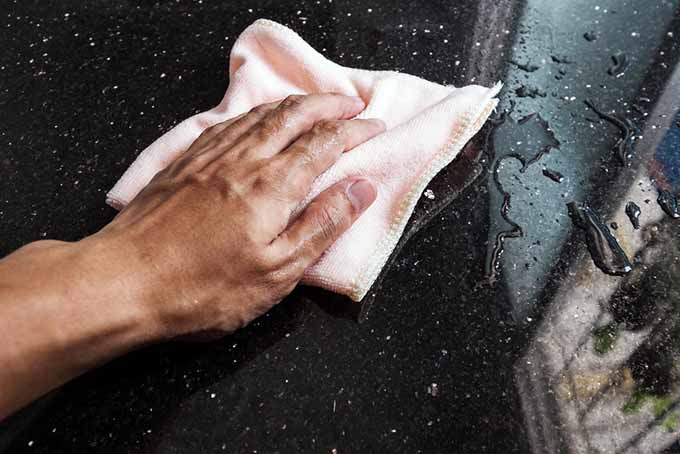
Miankina amin'ny fampiasana ny takelaka sy ny tontolo iainana izany. Manoro hevitra izahay mba haverina amin'ny laoniny tanteraka ny takelaka vaovao na ny kojakoja granita tsara kalitao ao anatin'ny herintaona aorian'ny fividianana azy. Raha hampiasaina be loatra ny takelaka granita, dia mety tsara ny manafohy io elanelam-potoana io ho enim-bolana. Ny fizahana isam-bolana raha misy lesoka fandrefesana miverimberina amin'ny fampiasana ambaratonga elektronika, na fitaovana mitovy amin'izany dia hampiseho izay teboka simba mipoitra ary maharitra minitra vitsy monja ny fanaovana azy. Rehefa voafaritra ny vokatry ny fanitsiana voalohany, dia azo ampitomboina na hafohezina araka izay avelan'ny rafitra kalitao anatiny na takian'ny rafitra kalitao anatiny ny elanelam-potoana fanitsiana.
Afaka manolotra serivisy hanampiana anao hijery sy handrefesana ny velaran'ny takelaka granita anao izahay.

Misy antony maromaro mety mahatonga ny fiovaovan'ny kalibration:
- Nosasana tamin'ny rano mafana na mangatsiaka ny velarana talohan'ny fanitsiana, ary tsy nomena fotoana ampy mba ho ara-dalàna.
- Tsy tohana tsara ilay takelaka
- Fiovan'ny mari-pana
- drafts
- Tara-masoandro mivantana na hafanana hafa miparitaka eo amin'ny velaran'ny takelaka. Ataovy azo antoka fa tsy manafana ny velarany ny jiro eo ambony.
- Fiovaovan'ny fiovaovan'ny mari-pana mitsangana eo anelanelan'ny ririnina sy ny fahavaratra (Raha azo atao, fantaro ny mari-pana mitsangana amin'ny fotoana anaovana ny fanitsiana.)
- Tsy ampy ny fotoana ahafahan'ny takelaka miverina amin'ny laoniny aorian'ny fandefasana azy
- Fampiasana tsy ara-dalàna ny fitaovana fanaraha-maso na fampiasana fitaovana tsy voafehy
- Fiovan'ny ety ivelany vokatry ny fikikisana
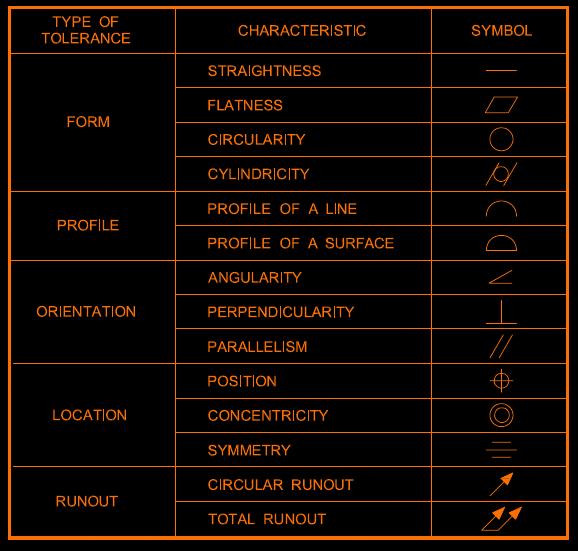
Firy ny karazana lavaka amin'ny granita mazava tsara?
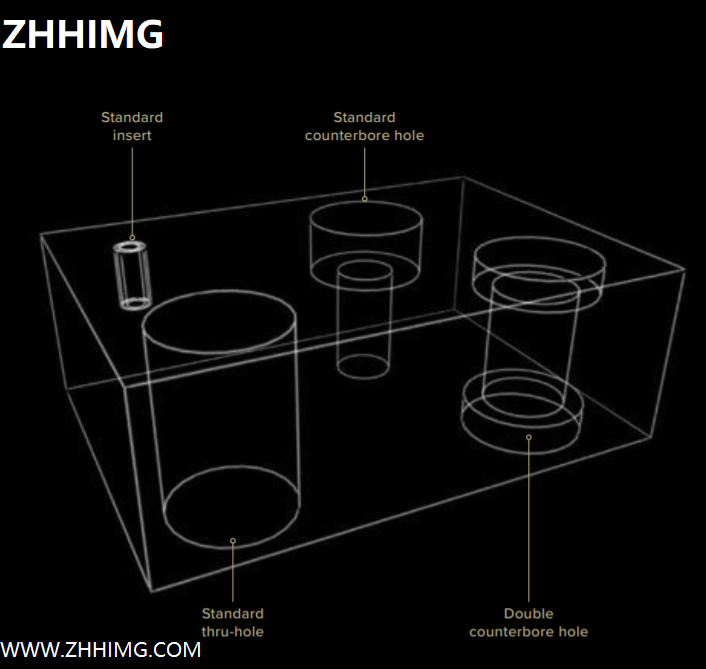
Loko amin'ny singa granita voafaritra tsara
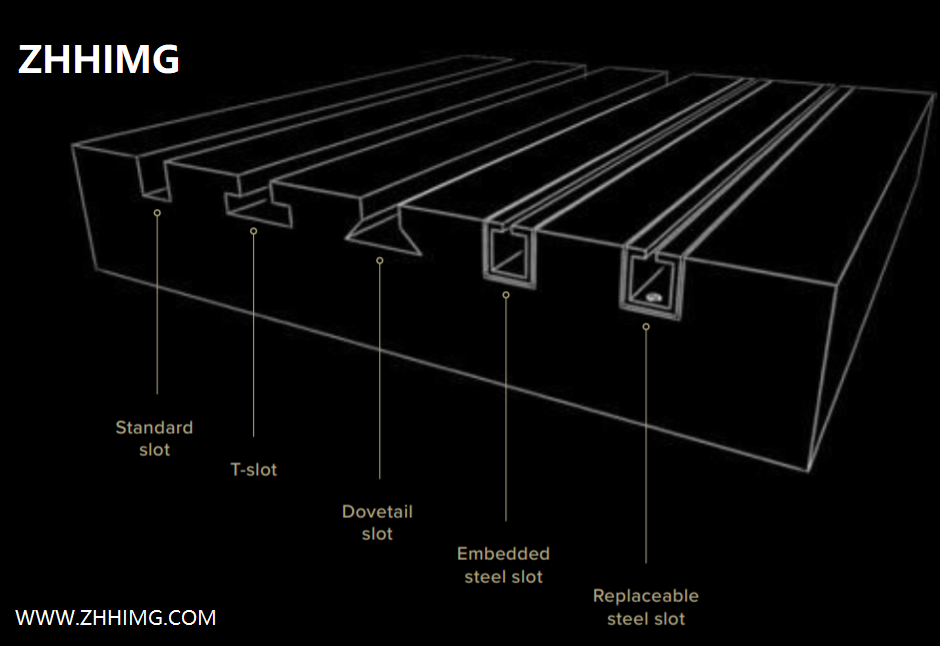
Ho an'ny orinasa maro, efitrano fanaraha-maso ary laboratoara, ny takelaka granita misy refy mazava tsara no ianteherana ho fototry ny fandrefesana marina. Satria ny fandrefesana tsipika tsirairay dia miankina amin'ny velarana marina izay andraisana ny refy farany, ny takelaka velarana no manome ny velarana tsara indrindra ho an'ny fanaraha-maso sy ny fandaminana ny asa alohan'ny fanodinana. Fototra tsara ihany koa izy ireo amin'ny fandrefesana ny haavony sy ny fandrefesana ny velarana. Ankoatra izany, ny fisaka, ny fahamarinan-toerana, ny kalitao ankapobeny ary ny fahaiza-manao dia mahatonga azy ireo ho safidy tsara amin'ny fametrahana rafitra fandrefesana mekanika, elektronika ary optika sarotra. Ho an'ny iray amin'ireo dingana fandrefesana ireo, dia tena ilaina ny mitazona ny takelaka velarana ho voalamina tsara.
Fandrefesana miverimberina sy fisaka
Samy tena ilaina ny fisaka sy ny fandrefesana miverimberina mba hahazoana antoka fa marina tsara ny velarana. Azo heverina ho toy ny teboka rehetra eo amin'ny velarana izay voafaoka ao anatin'ny fiaramanidina roa mifanitsy ny fisaka, dia ny fiaramanidina fototra sy ny fiaramanidina tafo. Ny fandrefesana ny elanelana misy eo amin'ireo fiaramanidina dia ny fisaka amin'ny ankapobeny. Io fandrefesana fisaka io dia mazàna misy fandeferana ary mety ahitana famaritana ny ambaratonga.
Ny fandeferana fisaka ho an'ny kilasy mahazatra telo dia voafaritra ao amin'ny famaritana federaly araka ny voafaritry ny raikipohy manaraka:
DIN Standard, GB Standard, ASME Standard, JJS standard... firenena samihafa miaraka amin'ny fijoroana samihafa...
Fanazavana fanampiny momba ny fenitra.
Ankoatra ny fisaka, dia tsy maintsy atao izay hahazoana antoka fa azo averina ny fandrefesana. Ny fandrefesana famerimberenana dia fandrefesana ny velaran'ny fisaka eo an-toerana. Fandrefesana atao na aiza na aiza eo amin'ny velaran'ny takelaka iray izay hiverina ao anatin'ny fandeferana voalaza. Ny fanaraha-maso ny fisaka eo an-toerana ho amin'ny fandeferana henjana kokoa noho ny fisaka amin'ny ankapobeny dia miantoka ny fiovana miandalana eo amin'ny mombamomba ny fisaka amin'ny velarana, ka mampihena ny lesoka eo an-toerana.
Mba hahazoana antoka fa mahafeno ny fepetra takiana amin'ny fandrefesana fisaka sy miverimberina ny takelaka granita, dia tokony hampiasa ny Federal Specification GGG-P-463c ho fototry ny fepetra takian'izy ireo ireo mpanamboatra takelaka granita. Ity fenitra ity dia miresaka momba ny fahamarinan'ny fandrefesana miverimberina, ny toetran'ny fitaovana amin'ny takelaka granita, ny famaranana ny velarana, ny toerana misy ny teboka fanohanana, ny hamafin'ny rindrina, ny fomba fanaraha-maso azo ekena ary ny fametrahana ireo takelaka misy kofehy.
Fanamarinana ny fahamarinan'ny takelaka
Amin'ny fanarahana torolalana tsotra vitsivitsy, ny fampiasam-bola amin'ny takelaka granita dia tokony haharitra an-taonany maro. Miankina amin'ny fampiasana ny takelaka, ny tontolo iainana ao amin'ny toeram-pivarotana ary ny fahamarinan'ny takelaka takiana, miovaova ny faharetan'ny fanamarinana ny fahamarinan'ny takelaka. Ny fitsipika ankapobeny dia ny hahazoana fanitsiana feno ny takelaka vaovao ao anatin'ny herintaona aorian'ny fividianana azy. Raha ampiasaina matetika ny takelaka, dia tsara ny manafohy io elanelam-potoana io ho enim-bolana.
Alohan'ny hahasimban'ny takelaka ambonin'ny takelaka mihoatra ny fepetra voafaritra amin'ny fisaka amin'ny ankapobeny, dia hampiseho tsato-kazo simba na miolikolika izy. Ny fizahana isam-bolana ny lesoka fandrefesana miverimberina amin'ny alàlan'ny fitaovana fandrefesana famakiana miverimberina dia hamantatra ny teboka simba. Ny fitaovana fandrefesana famakiana miverimberina dia fitaovana avo lenta izay mamantatra ny lesoka eo an-toerana ary azo aseho amin'ny amplifier elektronika avo lenta.
Ny fandaharan'asa fanaraha-maso mahomby dia tokony ahitana fanaraha-maso tsy tapaka amin'ny autocollimator, izay manome ny fanamarinana marina ny fisaka amin'ny ankapobeny azo arahina amin'ny National Institute of Standards and Technology (NIST). Ilaina ny fanamarinana feno ataon'ny mpanamboatra na orinasa mahaleo tena indraindray.
Fiovaovana eo amin'ny kalibration
Indraindray, misy fiovaovana eo amin'ny fandrefesana ny takelaka ambonin'ny tany. Indraindray ny anton-javatra toy ny fiovan'ny ambonin'ny tany vokatry ny fikikisana, ny fampiasana tsy mety ny fitaovana fanaraha-maso na ny fampiasana fitaovana tsy voarefy dia mety ho antony mahatonga ireo fiovaovana ireo. Ny anton-javatra roa mahazatra indrindra anefa dia ny mari-pana sy ny fanohanana.
Ny iray amin'ireo fiovaovan'ny mari-pana manan-danja indrindra dia ny mari-pana. Ohatra, mety ho nosasana tamin'ny rano mafana na mangatsiaka ny velarana talohan'ny fanitsiana ary tsy nomena fotoana ampy hiverenana amin'ny laoniny. Ny antony hafa mahatonga ny fiovan'ny mari-pana dia ny rivotra mangatsiaka na mafana, ny tara-masoandro mivantana, ny hazavana avy any ambony na ny loharanon'ny hafanana hafa eo amin'ny velaran'ny takelaka.
Mety hisy ihany koa ny fiovaovan'ny mari-pana mitsangana eo anelanelan'ny ririnina sy ny fahavaratra. Indraindray, tsy omena fotoana ampy hiverenana amin'ny laoniny ny takelaka aorian'ny fandefasana azy. Tsara ny mirakitra ny mari-pana mitsangana amin'ny fotoana anaovana ny fanitsiana.
Antony iray hafa mahazatra mahatonga ny fiovaovan'ny kalibration ny takelaka tsy tohana tsara. Tokony ho tohana amin'ny teboka telo ny takelaka amboniny, izay tsara indrindra raha 20% amin'ny halavany miditra avy amin'ny tendron'ny takelaka. Tokony ho 20% amin'ny sakany miditra avy amin'ny lafiny lava no tohana roa, ary tokony ho eo afovoany ny tohana sisa.
Teboka telo ihany no afaka mipetraka tsara amin'ny zavatra rehetra afa-tsy amin'ny velarana voafaritra tsara. Ny fanandramana hanohana ny takelaka amin'ny teboka mihoatra ny telo dia hahatonga ny takelaka hahazo ny fanohanany avy amin'ny fitambaran'ny teboka telo samihafa, izay tsy ho ireo teboka telo izay nanohanana azy nandritra ny famokarana. Izany dia hampiditra lesoka rehefa mihodina ny takelaka mba hifanaraka amin'ny fandaharana fanohanana vaovao. Diniho ny fampiasana fitoeran-vy misy andry fanohanana natao hifanaraka amin'ny teboka fanohanana mety. Ny fitoeran-javatra ho an'izany dia mazàna azo vidiana any amin'ny mpanamboatra takelaka velarana.
Raha tohana tsara ny takelaka, dia ilaina ny fandrindrana mazava tsara raha toa ka voafaritra tsara ny fampiharana azy. Tsy ilaina ny fandrindrana mba hihazonana ny fahamarinan'ny takelaka tohana tsara.
Manitatra ny androm-piainan'ny takelaka
Ny fanarahana torolalana vitsivitsy dia hampihena ny fahasimbana eo amin'ny takelaka granita ary amin'ny farany, hanalava ny androm-piainany.
Voalohany, zava-dehibe ny mitazona ny takelaka ho madio. Ny vovoka mikikisana eny amin'ny rivotra no mazàna mahatonga ny takelaka ho simba indrindra, satria mirona hiditra ao amin'ny sombin-javatra sy ny velaran'ny fitaovana fandrefesana izy io.
Zava-dehibe ihany koa ny manarona ny takelaka mba hiarovana azy amin'ny vovoka sy ny fahasimbana. Azo lava kokoa ny faharetan'ny fikikisana amin'ny alàlan'ny fanaronana azy rehefa tsy ampiasaina.
Avadiho tsy tapaka ny takelaka mba tsy hampiasana tafahoatra ny faritra iray. Tsara ihany koa ny manolo ireo takelaka fifandraisana vy amin'ny takelaka karbida.
Fadio ny mametraka sakafo na zava-pisotro malefaka eo ambony lovia. Maro amin'ireo zava-pisotro malefaka no misy asidra karbonika na asidra phosphorika, izay mety handrava ireo mineraly malefaka kokoa ary hamela lavaka kely eo amboniny.
Aiza no hamerenana indray
Rehefa mila averina amboarina ny takelaka granita dia diniho raha tokony hatao eo an-toerana na any amin'ny toerana fanamarinana ny hateviny. Tsara kokoa raha averina amboarina any amin'ny orinasa na toerana natokana ho azy ny takelaka. Raha tsy dia simba loatra anefa ny takelaka, matetika ao anatin'ny 0.001 santimetatra amin'ny fandeferana takiana, dia azo averina amboarina eo an-toerana izany. Raha simba mihoatra ny 0.001 santimetatra ny takelaka, na raha misy lavaka na vaky ratsy, dia tokony halefa any amin'ny orinasa izy io mba hototoina alohan'ny hamerenana azy.
Ny toerana fanaovana kalibration dia manana ny fitaovana sy ny fametrahana azy ao amin'ny orinasa mpamokatra izay manome ny fepetra tsara indrindra ho an'ny kalibration sy ny fanamboarana takelaka araka ny tokony ho izy raha ilaina.
Tokony ho mailo tsara amin'ny fisafidianana teknisianina mpanitsy sy manamboatra rindrina eo an-toerana. Mangataha fanamarinana ary hamarino fa azo arahina ny fitaovana hampiasain'ny teknisianina. Zava-dehibe ihany koa ny traikefa, satria mila taona maro vao afaka mianatra mampiasa tsara ny granita.
Ny fandrefesana tena ilaina dia manomboka amin'ny takelaka granita mazava tsara ho toy ny fototra. Amin'ny alàlan'ny fiantohana ny referansa azo antoka amin'ny alàlan'ny fampiasana takelaka vita amin'ny granita voalamina tsara, ny mpanamboatra dia manana ny iray amin'ireo fitaovana ilaina amin'ny fandrefesana azo antoka sy ny kojakoja tsara kalitao kokoa.Q
Lisitra fanamarinana ho an'ny fiovaovan'ny kalibration
1. Nosasana tamin'ny rano mafana na mangatsiaka ny velarana talohan'ny fanitsiana ary tsy nomena fotoana ampy hiverenana amin'ny laoniny.
2. Tsy tohana tsara ilay takelaka.
3. Fiovan'ny mari-pana.
4. Drafitry ny drafitra.
5. Tara-masoandro mivantana na hafanana hafa miparitaka eo amin'ny velaran'ny takelaka. Ataovy azo antoka fa tsy manafana ny velarany ny jiro eo ambony.
6. Fiovaovan'ny fiovaovan'ny mari-pana mitsangana eo anelanelan'ny ririnina sy ny fahavaratra. Raha azo atao, fantaro ny mari-pana mitsangana amin'ny fotoana anaovana ny fanitsiana.
7. Tsy nomena fotoana ampy hiverenana amin'ny laoniny ny takelaka aorian'ny fandefasana azy.
8. Fampiasana tsy araka ny tokony ho izy ny fitaovana fanaraha-maso na fampiasana fitaovana tsy voafehy.
9. Fiovan'ny ety ambonin'ny tany vokatry ny fikikisana.
Torohevitra ara-teknika
- Satria miankina amin'ny velaran-tany marina izay fakana ny refy farany ny fandrefesana mitsivalana rehetra, ny takelaka velaran-tany no manome ny velaran-tany tsara indrindra ho an'ny fanaraha-maso ny asa sy ny fandaminana alohan'ny fanodinana.
- Ny fanaraha-maso ny fisaka eo an-toerana ho amin'ny fandeferana henjana kokoa noho ny fisaka amin'ny ankapobeny dia miantoka ny fiovana miandalana eo amin'ny fisakan'ny velarana, ka mampihena ny lesoka eo an-toerana.
- Ny fandaharan'asa fanaraha-maso mahomby dia tokony ahitana fanaraha-maso tsy tapaka amin'ny autocollimator, izay manome ny fanamarinana tena izy ny fisaka amin'ny ankapobeny azo arahana amin'ny National Inspection Authority.
Anisan'ireo poti-mineraly mandrafitra ny granita, maherin'ny 90% no feldspar sy quartz, izay ny feldspar no betsaka indrindra. Matetika ny feldspar dia fotsy, volondavenona, ary mena toy ny nofo, ary ny quartz dia tsy misy loko na fotsy somary volondavenona, izay loko fototra amin'ny granita. Mineraly mafy ny feldspar sy ny quartz, ary sarotra afindra amin'ny antsy vy. Raha ny amin'ireo teboka mainty ao amin'ny granita, indrindra fa ny mika mainty, dia misy mineraly hafa. Na dia somary malefaka aza ny biotite, dia tsy malemy ny fahafahany manohitra ny tsindry, ary miaraka amin'izay dia kely ihany ny habetsahany ao amin'ny granita, matetika latsaky ny 10%. Izany no toe-javatra misy ny fitaovana izay tena matanjaka ny granita.
Antony iray hafa mahatonga ny granita ho matanjaka dia satria mifamatotra mafy ireo poti-mineraly ao aminy ary mifampiditra ao anatiny. Matetika latsaky ny 1%-n'ny haben'ny vatolampy ny mason-koditra. Izany dia manome ny granita ny fahafahana miatrika tsindry mahery ary tsy mora idiran'ny hamandoana.
Vita amin'ny vato ny singa granita, tsy misy harafesina, tsy mahatohitra asidra sy alkali, tsara ny fikikisana ary maharitra ela ny androm-piainany, tsy misy fikojakojana manokana. Ny singa granita misy fahamarinan-toerana dia ampiasaina betsaka amin'ny fitaovana ampiasaina amin'ny indostrian'ny milina. Noho izany, antsoina hoe singa granita misy fahamarinan-toerana na singa granita izy ireo. Mitovy amin'ny an'ny sehatra granita ny toetran'ny singa granita misy fahamarinan-toerana. Fampidirana amin'ny fitaovana sy fandrefesana ny singa granita misy fahamarinan-toerana: Ny fanodinana milina misy fahamarinan-toerana sy ny teknolojia fanodinana madinika dia lalana lehibe amin'ny fampandrosoana ny indostrian'ny fanamboarana milina, ary lasa famantarana manan-danja handrefesana ny teknolojia avo lenta izy ireo. Ny fivoaran'ny teknolojia farany sy ny indostrian'ny fiarovana dia tsy azo sarahina amin'ny fanodinana milina misy fahamarinan-toerana sy ny teknolojia fanodinana madinika. Azo atao tsara ny mandrefy ny singa granita, tsy misy fijanonana. Ny fandrefesana ny velaran'ny asa, ny fikikisana amin'ny ankapobeny dia tsy misy fiantraikany amin'ny fahamarinan'ny fandrefesana. Ny singa granita dia mila amboarina sy amboarina araka ny fepetra takian'ny lafiny fangatahana.
Sehatry ny fampiharana:
Araka ny fantatsika rehetra, mihamaro hatrany ny milina sy fitaovana misafidy singa granita misy rafitra mazava tsara.
Ny singa granita dia ampiasaina amin'ny fihetsehana dinamika, motera linear, cmm, cnc, milina laser...
Tongasoa eto amin'ny fifandraisanay raha mila fanazavana fanampiny.
Vita amin'ny granita Jinan Black avo lenta ny fitaovana fandrefesana granita sy ny singa mekanika amin'ny granita. Noho ny fahamarinany avo lenta, ny faharetany maharitra, ny fahamarinany tsara ary ny fanoherany ny harafesina, dia ampiasaina bebe kokoa amin'ny fanaraha-maso ny vokatra amin'ny indostria maoderina sy ny sehatra siantifika toy ny mekanika aerospace ary ny fikarohana siantifika izy ireo.
tombony
---- Avo roa heny noho ny vy natsipy ny hamafiny;
----Ny fiovana kely indrindra amin'ny refy dia vokatry ny fiovan'ny mari-pana;
----Tsy misy fikikisana, ka tsy misy fahatapahan'ny asa;
----Tsy misy mibontsina na misongadina noho ny firafitry ny voany madinika sy ny tsy firaikitra firy, izay miantoka ny fisaka tsara mandritra ny androm-piainana maharitra ary tsy miteraka fahasimbana amin'ny faritra na fitaovana hafa;
---- Fampiasana tsy misy olana amin'ny fitaovana magnetika;
---- Maharitra ela ary tsy misy harafesina, ka miteraka fandaniana ambany amin'ny fikojakojana.
Ireo takelaka granita misy rafitra fisaka tsara dia namboarina araka ny fenitra avo lenta mba hahazoana fahamarinan-toerana ary ampiasaina ho fototra hametrahana rafitra fandrefesana mekanika, elektronika ary optika sarotra.
Ireto misy toetra mampiavaka ny takelaka granita:
Fitoviana amin'ny hamafin'ny hoditra;
Marina tsara ny fepetra rehefa misy entana mavesatra;
Mitroka hovitrovitra;
Mora diovina;
Tsy mora fonosina;
Porosity ambany;
Tsy manimba;
Tsy Magnetika
Tombony azo avy amin'ny takelaka granita
Voalohany, rehefa ela ny fahanterana voajanahary, mitovy ny firafitry ny vatolampy, ary kely indrindra ny coefficient-ny, dia levona tanteraka ny fihenjanana anatiny, tsy miova endrika, ka avo ny fahamarinan'ny zavatra.
Faharoa, tsy hisy rangotra, tsy eo ambanin'ny mari-pana tsy miova, amin'ny mari-pana ao an-trano dia azo atao ihany koa ny mitazona ny fahamarinan'ny fandrefesana ny mari-pana.
Fahatelo, tsy misy magnetization, ny fandrefesana dia mety ho malefaka, tsy misy fahatsapana mikorontana, tsy voakasiky ny hamandoana, ny fiaramanidina dia raikitra.
Fahaefatra, tsara ny hamafin'ny hoditra, avo ny hamafin'ny hoditra, ary matanjaka ny fanoherana ny fikikisana.
Dimy, tsy matahotra ny asidra sy ny alkaline, tsy harafesina, tsy mila mandoko menaka, tsy mora miraikitra amin'ny vovoka madinika, mora karakaraina, mora karakaraina, ary maharitra ela ny androm-piainany.
Nahoana no misafidy fototra granita fa tsy fandriana vy fanariana?
1. Ny fototry ny milina granita dia afaka mitazona fahamarinan-toerana ambony kokoa noho ny fototry ny milina vy. Mora voakasiky ny mari-pana sy ny hamandoana ny fototry ny milina vy fa ny fototry ny milina granita kosa tsy mba voakasik'izany;
2. Mitovy habe amin'ny fototry ny milina granita sy ny fototry ny vy natsipy ny fototry ny milina granita, ka mahomby kokoa amin'ny vidiny noho ny vy natsipy;
3. Mora kokoa ny vita amin'ny fototra milina granita manokana noho ny fototra milina vy natsipy.
Fitaovana fototra ao amin'ny laboratoara fanaraha-maso manerana ny firenena ny takelaka granita. Ny velaran'ny takelaka vita amin'ny granita izay voalamina tsara sy fisaka dia ahafahan'ny mpandinika mampiasa azy ireo ho toy ny fototra amin'ny fanaraha-maso ny ampahany sy ny fanitsiana ny fitaovana. Raha tsy misy ny fahamarinan-toerana omen'ny takelaka, dia ho sarotra kokoa, raha tsy azo atao mihitsy, ny fanamboarana araka ny tokony ho izy ny ankamaroan'ny ampahany azo leferina tsara amin'ny sehatra ara-teknolojia sy ara-pitsaboana isan-karazany. Mazava ho azy, mba hampiasana sakana granita hanitsiana sy hijerena ireo fitaovana sy fitaovana hafa, dia tsy maintsy tombanana ny fahamarinan'ny granita mihitsy. Afaka manitsy ny takelaka granita ny mpampiasa mba hahazoana antoka ny fahamarinany.
Diovy ny takelaka granita alohan'ny hanaovana fanitsiana. Araraka eo amin'ny lamba madio sy malefaka ny mpanadio takelaka granita kely dia fafao ny velaran'ny granita. Amainina avy hatrany amin'ny lamba maina ny mpanadio amin'ny takelaka. Aza avela ho maina amin'ny rivotra ny rano fanadiovana.
Apetraho eo afovoan'ny takelaka granita ny fitaovana fandrefesana miverimberina.
Apetraho eo amin'ny velaran'ny takelaka granita ny fandrefesana miverimberina.
Ahetsiketsika moramora eo amin'ny velaran'ny granita ny fitaovana fandrefesana. Jereo ny famantarana ny fitaovana ary raketo ny tendron'ny fiovaovan'ny haavony rehefa ahetsiketsika eo amin'ny takelaka ny fitaovana.
Ampitahao ny fiovaovan'ny fisaka manerana ny velaran'ny takelaka amin'ny fandeferana ho an'ny takelakao, izay miovaova arakaraka ny haben'ny takelaka sy ny haavon'ny fisaka amin'ny granita. Jereo ny fepetra federaly GGG-P-463c (jereo ny Loharano) mba hamaritana raha mahafeno ny fepetra takiana amin'ny fisaka ny takelakao ho an'ny habeny sy ny haavony. Ny fiovaovana eo amin'ny teboka avo indrindra amin'ny takelaka sy ny teboka ambany indrindra amin'ny takelaka dia ny fandrefesana ny fisakany.
Hamarino tsara fa ny fiovaovan'ny halaliny lehibe indrindra eo amin'ny velaran'ny takelaka dia tafiditra ao anatin'ny fepetra takiana amin'ny famerimberenana ho an'ny takelaka amin'io habe sy kilasy io. Jereo ny fepetra federaly GGG-P-463c (jereo ny Loharano) mba hamaritana raha mahafeno ny fepetra takiana amin'ny famerimberenana ny takelakao. Lavina ny takelaka raha toa ka tsy mahafeno ny fepetra takiana amin'ny famerimberenana na dia teboka iray aza.
Atsaharo ny fampiasana takelaka granita izay tsy mahafeno ny fepetra takian'ny federaly. Avereno any amin'ny mpanamboatra na any amin'ny orinasa mpanao takelaka granita ilay takelaka mba ho voapoloka indray araka ny fepetra takiana.
Soso-kevitra
Manaova fanamarinana ara-dalàna farafahakeliny indray mandeha isan-taona, na dia tokony hojerena matetika kokoa aza ireo takelaka granita izay ampiasaina betsaka.
Ny fanamarinana ara-dalàna sy azo raketina amin'ny tontolo famokarana na fanaraha-maso dia matetika ataon'ny orinasa manome antoka ny kalitao na mpivarotra serivisy fanamarinana ivelany, na dia afaka mampiasa fitaovana fandrefesana miverimberina aza ny rehetra mba hijerena tsy ara-potoana ny takelaka alohan'ny hampiasana azy.
Ny Tantaran'ny Takelaka Granita tany am-piandohana
Talohan'ny Ady Lehibe Faharoa, nampiasa takelaka vy ho an'ny fizahana ny refy amin'ny ampahany ny mpanamboatra. Nandritra ny Ady Lehibe Faharoa dia nitombo be ny filàna vy, ary maro ny takelaka vy no levona. Nilaina ny fanoloana azy, ary ny granita no lasa fitaovana nofidina noho ny toetrany ara-metrika ambony.
Maro ireo tombony azo avy amin'ny granita raha oharina amin'ny vy. Mafy kokoa ny granita, na dia mora vaky kokoa aza. Azonao atao ny mampiasa ny granita mba ho fisaka kokoa sy haingana kokoa noho ny vy. Manana ny toetra tsara ihany koa ny granita, dia ny tsy dia mivelatra loatra ny hafanana raha oharina amin'ny vy. Ankoatra izany, raha mila fanamboarana ny takelaka vy, dia tsy maintsy kikisana tanana amin'ny alalan'ny mpanao asa tanana izay nampiasa ny fahaizany tamin'ny fanamboarana fitaovana milina ihany koa.
Ho fanamarihana fanampiny, mbola ampiasaina ankehitriny ny Takelaka Vy sasany.
Toetra ara-metrolojika amin'ny takelaka granita
Vatolampy mivaingana avy amin'ny fipoahan'ny volkano ny granita. Raha ampitahaina, vatosokay niova endrika ny marbra. Ho an'ny fampiasana metrolojia, ny granita nofidiana dia tokony hahafeno fepetra manokana voalaza ao amin'ny Federal Specification GGG-P-463c, izay antsoina hoe Fed Specs manomboka izao, ary indrindra indrindra, ny Fizarana 3.1 3.1 Amin'ireo Fed Specs, ny granita dia tokony ho tsara na antonony ny firafiny.
Akora mafy ny granita, saingy miovaova ny hamafiny noho ny antony maro. Ny teknisianina za-draharaha amin'ny takelaka granita dia afaka manombana ny hamafiny amin'ny alàlan'ny lokony izay manondro ny votoatin'ny quartz ao anatiny. Ny hamafin'ny granita dia toetra voafaritry ny habetsahan'ny votoatin'ny quartz sy ny tsy fisian'ny mika. Ny granita mena sy mavokely no mazàna mafy indrindra, ny volondavenona kosa dia antonony ny hamafiny, ary ny mainty no malefaka indrindra.
Ny Modulus of Elasticity an'i Young dia ampiasaina hanehoana ny fahafaha-mihetsika na ny famantarana ny hamafin'ny vato. Ny granita mavokely dia manana salan'isa 3-5 isa amin'ny mizana, ny volondavenona 5-7 isa ary ny mainty 7-10 isa. Arakaraka ny maha-kely ny isa no maha-mafy ny granita. Arakaraka ny maha-lehibe ny isa no maha-malemy sy mora miolaka kokoa ny granita. Zava-dehibe ny mahafantatra ny hamafin'ny Granita rehefa misafidy ny hateviny ilaina amin'ny naoty fandeferana sy ny lanjan'ny ampahany sy ny fitaovana napetraka eo amboniny.
Fahiny, fony mbola nisy mpanao milina tena izy, fantatra amin'ny bokikely misy latabatra trig ao am-paosiny, dia noheverina ho "Ny Tsara Indrindra" ny granita mainty. Ny tsara indrindra dia faritana ho karazana izay mahatohitra indrindra ny fikikisana na mafy kokoa. Ny lesoka iray dia ny hoe mora vaky na simba kokoa ny granita mafy kokoa. Resy lahatra ireo mpanao milina fa ny granita mainty no tsara indrindra ka ny mpanamboatra granita mavokely sasany dia nandoko azy ireo ho mainty.
Efa nahita takelaka iray nalatsaka avy tao anaty "forklift" aho rehefa nafindra avy tao amin'ny toerana fitehirizana. Nianjera tamin'ny tany ilay takelaka ary nizara roa ka nampiseho ny loko mavokely tena izy. Mitandrema raha mikasa ny hividy granita mainty avy any Shina. Manoro hevitra anao izahay mba handany vola amin'ny fomba hafa. Mety tsy hitovy ny hamafin'ny takelaka granita ao anatiny. Mety ho mafy kokoa noho ny ambin'ny takelaka amboniny ny tsipika quartz. Ny sosona gabbro mainty dia afaka mahatonga ny faritra ho malefaka kokoa. Ny teknisianina fanamboarana takelaka amboniny voaofana tsara sy za-draharaha dia mahafantatra ny fomba fikarakarana ireo faritra malefaka ireo.
Kilasy takelaka ambonin'ny tany
Misy karazany efatra ny takelaka ambonin'ny tany. Ny kilasy laboratoara AA sy A, ny kilasy fanaraha-maso efitrano B, ary ny fahefatra dia ny kilasy atrikasa. Ny kilasy AA sy A no fisaka indrindra miaraka amin'ny fandeferana fisaka tsara kokoa noho ny 0.00001 in ho an'ny takelaka kilasy AA. Ny kilasy atrikasa no fisaka indrindra ary araka ny anarany, dia natao hampiasaina amin'ny efitrano fitaovana izy ireo. Raha ny kilasy AA kosa, ny kilasy AA sy ny kilasy B dia natao hampiasaina amin'ny laboratoara fanaraha-maso na fanaraha-maso ny kalitao.
PFitsapana roper ho an'ny fandrefesana ny takelaka ety ambonin'ny tany
Efa nilazako foana tamin'ireo mpanjifako fa afaka misintona ankizy 10 taona hiala ny fiangonako aho ary mampianatra azy ireo ao anatin'ny andro vitsivitsy monja ny fomba fitsapana lovia. Tsy sarotra izany. Mitaky teknika sasany ny fanaovana haingana ny asa, teknika izay ianarana amin'ny alalan'ny fotoana sy famerimberenana betsaka. Tokony hampahafantatra anao aho, ary tsy maintsy hamafisiko fa TSY fomba fanamarinana ny Fed Spec GGG-P-463c! Hohazavaina bebe kokoa izany any aoriana.
Tsy maintsy atao ny fanitsiana ny fisaka amin'ny ankapobeny (Mean Pane) sy ny fanamarinana ny famerimberenana (fikikisana eo an-toerana). Ny hany maningana amin'izany dia amin'ny takelaka kely izay takiana ny famerimberenana fotsiny.
Ary koa, ary tena ilaina toy ireo fitsapana hafa, ny fitsapana ny fiovaovan'ny hafanana. (Jereo ny Delta T etsy ambany)
Sary 1
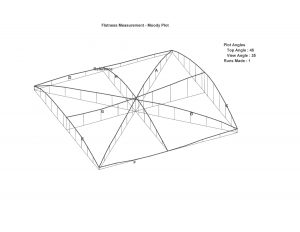
Manana fomba 4 ekena ny Fitsapana Fisaka. Ambaratonga elektronika, autocollimation, laser ary fitaovana fantatra amin'ny anarana hoe plane locator. Ambaratonga elektronika ihany no ampiasainay satria izy ireo no fomba marina sy haingana indrindra noho ny antony maro.
Mampiasa taratra hazavana mahitsy dia mahitsy ho toy ny referansa ny laser sy ny autocollimator. Mandrefy ny fahitsiana amin'ny takelaka granita amin'ny fampitahana ny fiovaovan'ny elanelana misy eo amin'ny takelaka ambonin'ny hazavana sy ny taratra hazavana ny olona iray. Amin'ny fakana taratra hazavana mahitsy, izay mamely azy amin'ny lasibatra taratra sady mamindra ny lasibatra taratra midina amin'ny takelaka ambonin'ny hazavana, ny elanelana misy eo amin'ny taratra avoaka sy ny taratra miverina dia fandrefesana ny fahitsiana.
Ity ny olana amin'ity fomba ity. Ny lasibatra sy ny loharano dia voakasiky ny hovitrovitra, ny mari-pana manodidina, ny lasibatra tsy dia fisaka na voakiky, ny loto eny amin'ny rivotra, ary ny fivezivezen'ny rivotra (courant). Ireo rehetra ireo dia miteraka lesoka fanampiny. Ankoatra izany, ny fandraisan'anjaran'ny lesoka ataon'ny mpiasa avy amin'ny fanamarinana amin'ny autocollimator dia lehibe kokoa.
Afaka manao fandrefesana tena marina ny mpampiasa autocollimator za-draharaha saingy mbola miatrika olana amin'ny tsy fitoviana amin'ny famakiana indrindra amin'ny halavirana lavitra kokoa satria mirona hivelatra na ho somary manjavozavo ny taratra. Ankoatra izany, ny lasibatra tsy dia fisaka tsara sy ny andro lava hijerena amin'ny alalan'ny family dia miteraka lesoka fanampiny.
Hadalana fotsiny ny fitaovana fitadiavana toerana misy planina. Mampiasa taratra mahitsy kely ity fitaovana ity (raha ampitahaina amin'ny taratra laser mahitsy be). Tsy vitan'ny hoe mampiasa famantarana 20 santimetatra monja ny fitaovana mekanika, fa ny tsy fahitsiana sy ny fitaovana tsy mitovy dia mampitombo be ny lesoka amin'ny fandrefesana. Araka ny hevitray, na dia azo ekena aza ity fomba ity, dia tsy hisy laboratoara mahay hampiasa fitaovana fitadiavana toerana misy planina ho fitaovana fanaraha-maso farany.
Mampiasa ny hery misintona ho toy ny referansa ny ambaratonga elektronika. Tsy misy fiantraikany amin'ny hovitrovitra ny ambaratonga elektronika samihafa. Manana famaha ambany hatramin'ny 0.1 segondra arc izy ireo ary haingana sy marina ny fandrefesana ary kely dia kely ny fandraisan'anjaran'ny fahadisoana avy amin'ny mpampiasa za-draharaha. Na ny Plane Locators na ny autocollimators dia tsy manome teti-tany topografika novokarin'ny solosaina (Sary 1) na isometrika (Sary 2) amin'ny velaran-tany.
Sary 2
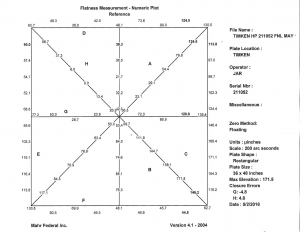
Fitsapana ny fisaka tsaran'ny velarana
Ny fitsapana ny fisaka tsara amin'ny velaran-tany dia ampahany manan-danja amin'ity lahatsoratra ity ka tokony ho napetrako tany am-piandohana izany. Araka ny voalaza teo aloha, ny Fed Spec. GGG-p-463c dia TSY fomba fanamarinana. Izy io dia toy ny mpitari-dalana ho an'ny lafiny maro amin'ny granita kilasy metrolojia izay ny Sampan-draharahan'ny Governemanta Federaly nokasaina hividy, ary tafiditra ao anatin'izany ny fomba fitsapana sy ny fandeferana na ny naoty. Raha milaza ny mpiantoka fa nanaraka ny Fed Specs izy ireo, dia ny fomba Moody no hamaritra ny sandan'ny fisaka.
I Moody dia olona avy any amin'ny taona 50 izay namorona fomba matematika mba hamaritana ny fisaka amin'ny ankapobeny sy handraisana an-tsaina ny fironan'ny tsipika nosedraina, raha toa ka mifanakaiky tsara amin'ny sehatra iray ihany izy ireo. Tsy nisy niova. Niezaka nanatsara ny fomba matematika ny Allied Signal saingy nanatsoaka hevitra fa kely loatra ny fahasamihafana ka tsy mendrika ny ezaka natao.
Raha mampiasa Electronic Levels na laser ny mpanao takelaka ambonin'ny tany, dia mampiasa solosaina izy mba hanampy azy amin'ny kajy. Raha tsy misy fanampiana amin'ny solosaina, dia tsy maintsy kajy tanana ny famakiana ny teknisiana mampiasa autocollimation. Raha ny marina dia tsy manao izany izy ireo. Ela loatra izany ary mety ho sarotra loatra raha ny marina. Amin'ny fitsapana fisaka mampiasa ny fomba Moody, dia andraman'ny teknisiana ny tsipika valo amin'ny endrika Union Jack mba hahitana ny fahitsiana.
Ny fomba Moody
Ny fomba Moody dia fomba matematika hamaritana raha mitovy ny tsipika valo. Raha tsy izany, dia tsipika mahitsy 8 fotsiny no anananao izay mety ho eo amin'ny na akaikin'ny tsipika iray ihany. Ankoatra izany, ny mpiantoka iray milaza fa manaraka ny Fed Spec, ary mampiasa autocollimation, diaTSY mAINTSYMamorona pejy valo misy angon-drakitra. Pejy iray isaky ny andalana nojerena mba hanaporofoana ny fitsapana nataony, ny fanamboarana azy, na izy roa miaraka. Raha tsy izany, dia tsy fantatry ny mpiantoka ny tena sandan'ny fisaka.
Azoko antoka fa raha anisan'ireo izay manao kalibration ny takelakao amin'ny alalan'ny autocollimation ianao dia mbola tsy nahita ireo pejy ireo mihitsy! Ny sary faha-3 dia santionany amin'nyiray monjaPejy valo ilaina hikajiana ny fisaka amin'ny ankapobeny. Ny famantarana iray amin'izany tsy fahalalana sy lolompo izany dia raha toa ka manana isa boribory tsara ny tatitrao. Ohatra, 200, 400, 650, sns. Ny isa tena izy no isa voaisa tsara. Ohatra, 325.4 u In. Rehefa mampiasa ny fomba kajy Moody ny mpiantoka, ary kajy amin'ny tanana ny sandany ny teknisiana, dia tokony hahazo pejy valo misy kajy sy teti-dratsy isometrika ianao. Ny teti-dratsy isometrika dia mampiseho ny haavo miovaova eo amin'ny tsipika samihafa sy ny halavirana mampisaraka ireo teboka mifanena voafantina.
Sary 3(Mila pejy valo tahaka izao ny kajy amin'ny tanana ny fisaka. Aza hadino ny manontany hoe nahoana ianao no tsy mahazo izany raha mampiasa autocollimation ny mpiantoka anao!)
Sary 4
Mampiasa ambaratonga samihafa (Sary 4) ho fitaovana fandrefesana ny fiovan'ny zoro isaky ny minitra avy amin'ny toeram-pandrefesana mankany amin'ny toeram-pandrefesana ny teknisianina momba ny fandrefesana refy. Ny ambaratonga dia manana famaha hatramin'ny 0,1 segondra arc (5 santimetatra mampiasa sled 4 santimetatra) ary tena marin-toerana, tsy voakasiky ny hovitrovitra, ny halavirana voarefy, ny fikorianan'ny rivotra, ny havizan'ny mpampiasa, ny fahalotoan'ny rivotra na ny olana rehetra mety hitranga amin'ny fitaovana hafa. Ampio ny fanampian'ny solosaina, dia ho haingana kokoa ny asa, ka hamorona tetika topografika sy isometrika izay manaporofo ny fanamarinana ary ny tena zava-dehibe dia ny fanamboarana.
Fitsapana famerimberenana araka ny tokony ho izy
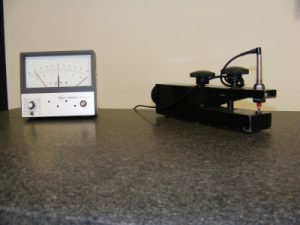
Ny famakiana miverimberina na ny fahafaha-miverimberina no fitsapana manan-danja indrindra. Ny fitaovana ampiasainay hanaovana ny fitsapana ny fahafaha-miverimberina dia fitaovana famakiana miverimberina, LVDT ary amplifier ilaina amin'ny famakiana avo lenta. Apetrakay amin'ny famaha farafahakeliny 10 u Inches na 5 u Inches ny amplifier LVDT mba hahazoana takelaka misy fahamarinan-toerana avo lenta.
Tsy misy dikany ny mampiasa tondro mekanika manana famaha 20 u Inches fotsiny raha te-hitsapa ny fepetra takiana amin'ny famerimberenana 35 u Inches ianao. Manana tsy fahazoana antoka 40 u Inches ny tondro! Ny fametrahana famakiana famerimberenana dia manahaka ny fandrindrana ny haavon'ny fitaovana/ampahany.
TSY mitovy amin'ny fisaka ankapobeny (Mean Plane) ny famerimberenana. Tiako ny mihevitra ny famerimberenana amin'ny granita ho toy ny fandrefesana ny savaivony tsy miovaova.
Sary 5
Raha andramana ny fahafahan'ny baolina boribory mamerina azy, dia voaporofo fa tsy niova ny savaivon'ny baolina. (Ny endrika tonga lafatra amin'ny takelaka namboarina tsara dia manana endrika satroboninahitra mibontsina.) Na izany aza, miharihary fa tsy fisaka ny baolina. Eny, somary. Amin'ny halavirana fohy dia fisaka izy io. Koa satria ny ankamaroan'ny asa fanaraha-maso dia misy fandrefesana ny haavony akaikin'ny ampahany, ny fahafahan'ny takelaka granita mamerina azy no toetra manan-danja indrindra amin'ny takelaka granita. Zava-dehibe kokoa noho ny fisaka ankapobeny raha tsy hoe manamarina ny fahitsiana ny ampahany lava ny mpampiasa.
Ataovy izay hahazoana antoka fa manao fitsapana famakiana miverimberina ny mpiantoka anao. Mety ho mihoatra ny fandeferana ny famakiana miverimberina ny takelaka iray nefa mbola mahavita ny fitsapana fisaka ihany! Mahagaga fa afaka mahazo fankatoavana amin'ny fitsapana izay tsy misy fitsapana famakiana miverimberina ny laboratoara iray. Ny laboratoara izay tsy afaka manamboatra na tsy dia mahay manamboatra dia aleony manao fitsapana fisaka fotsiny. Mahalana vao miova ny fisaka raha tsy afindranao ny takelaka.
Ny fitsapana famakiana miverimberina no mora indrindra andramana saingy sarotra indrindra tratrarina rehefa manao "lapping". Ataovy azo antoka fa afaka mamerina ny fahafaha-miverimberina ny asa ny mpiantoka anao nefa tsy "manelingelina" ny velarana na mamela onja eo amin'ny velarana.
Fitsapana Delta T
Ity fitsapana ity dia mahakasika ny fandrefesana ny mari-pana TENA izy io eo amin'ny tapany ambony sy ambany amin'ny vato ary ny fikajiana ny fahasamihafana, Delta T, mba hanaovana tatitra ao amin'ny taratasy fanamarinana.
Zava-dehibe ny mahafantatra fa ny salan'isa coefficient de expansion thermale amin'ny granite dia 3.5 uIn/Inch/degre. Tsy dia misy fiantraikany firy amin'ny takelaka granite ny mari-pana sy ny hamandoana manodidina. Na izany aza, mety tsy ho zakany na hihatsara ny velaran'ny takelaka na dia ao anatin'ny Delta T 0.3 – 0.5 degre F aza. Ilaina ny mahafantatra raha ao anatin'ny 0.12 degre F ny Delta T raha oharina amin'ny fahasamihafana tamin'ny fanamarinana farany.
Zava-dehibe ihany koa ny mahafantatra fa ny velaran'ny takelaka fiasana dia mifindra mankany amin'ny hafanana. Raha mafana kokoa noho ny ambany ny mari-pana ambony, dia miakatra ny ambony. Raha mafana kokoa ny ambany, izay tsy fahita firy, dia milentika ny ambony. Tsy ampy ho an'ny mpitantana ny kalitao na ny teknisiana ny mahafantatra fa fisaka ny takelaka ary azo averina amin'ny fotoana fanitsiana na fanamboarana, fa ny Delta T ihany no fantany tamin'ny fotoana nanaovana ny fitsapana fanitsiana farany. Amin'ny toe-javatra sarotra, ny mpampiasa dia afaka mamaritra, amin'ny fandrefesana ny Delta T, raha toa ka tsy mahazaka ny takelaka noho ny fiovaovan'ny Delta T fotsiny. Soa ihany fa maharitra ora maro na andro maromaro mihitsy aza ny granita vao zatra amin'ny tontolo iainana. Ny fiovaovan'ny mari-pana manodidina mandritra ny andro dia tsy hisy fiantraikany amin'izany. Noho ireo antony ireo, dia tsy mitatitra ny mari-pana na ny hamandoana manodidina izahay satria tsy dia misy fiantraikany loatra ny vokany.
Fitafiana takelaka granita
Na dia mafy kokoa noho ny takelaka vy aza ny granita, dia mbola misy teboka iva ihany eo amin'ny velarana. Ny fihetsehana miverimberina amin'ny ampahany sy ny fitaovana fandrefesana eo amin'ny takelaka no tena mahatonga ny fahasimbana, indrindra raha ampiasaina tsy tapaka io faritra io. Ny loto sy ny vovoka fikikisana avela hijanona eo amin'ny velaran'ny takelaka dia manafaingana ny fizotran'ny fahasimbana rehefa miditra eo anelanelan'ny ampahany na fitaovana fandrefesana sy ny velaran'ny granita. Rehefa mihetsika ny ampahany sy ny fitaovana fandrefesana eo amin'ny velarany, ny vovoka mikikisana dia matetika no antony mahatonga ny fahasimbana fanampiny. Manoro hevitra mafy aho ny hanadiovana tsy tapaka mba hampihenana ny fahasimbana. Nahita fahasimbana teo amin'ny takelaka vokatry ny fanaterana fonosana UPS isan'andro napetraka teo ambonin'ny takelaka izahay! Ireo faritra voakasika eo an-toerana ireo dia misy fiantraikany amin'ny famakiana fitsapana famerimberenana ny kalibration. Fadio ny fahasimbana amin'ny fanadiovana tsy tapaka.
Fanadiovana takelaka granita
Mba hitazonana ny lovia ho madio, ampiasao lamba famaohana mba hanesorana ny loto. Tsindrio moramora fotsiny mba tsy hamela lakaoly. Ny lamba famaohana efa nampiasaina tsara dia manao asa tsara amin'ny fanesorana ny vovoka fikikisana eo anelanelan'ny fanadiovana. Aza miasa amin'ny toerana iray ihany. Afindrafindrao manodidina ny lovia ny fitaovanao, ary zarao ny fahasimbana. Azo atao ny mampiasa alikaola hanadiovana lovia, saingy tadidio fa hampangatsiaka vetivety ny velarana izany. Tena tsara ny rano misy savony kely. Tsara ihany koa ny mampiasa ireo mpanadio eny an-tsena toy ny mpanadio Starrett, fa ataovy izay hanesorana ny savony rehetra amin'ny velarana.
Fanamboarana takelaka granita
Tokony ho hita miharihary amin'izao fotoana izao ny maha-zava-dehibe ny hahazoana antoka fa manao fanamarinana mahay ny mpiantoka ny takelaka ambonin'ny tany. Mahalana ny laboratoara karazana "Clearing House" izay manolotra programa "Ataovy amin'ny antso iray monja" no manana teknisiana afaka manao fanamboarana. Na dia manolotra fanamboarana aza izy ireo, dia tsy voatery manana teknisiana manana ny traikefa ilaina rehefa mihoatra ny fandeferana ny takelaka ambonin'ny tany.
Raha misy takelaka tsy azo amboarina noho ny fahasimbana tafahoatra dia antsoy izahay. Azo inoana fa afaka manamboatra izany izahay.
Miasa mandritra ny herintaona ka hatramin'ny herintaona sy tapany eo ambany fitarihan'ny Teknisiana Master Surface Plate ny teknisianinay. Ny Teknisiana Master Surface Plate dia faritanay ho olona efa nahavita ny fianarany ary manana traikefa mihoatra ny folo taona fanampiny amin'ny fanitsiana sy fanamboarana ny Surface Plate. Izahay ao amin'ny Dimensional Gauge dia manana Teknisiana Master telo miaraka amin'ny traikefa mihoatra ny 60 taona mitambatra. Ny iray amin'ireo Teknisiana Master anay dia vonona amin'ny fotoana rehetra hahazoana fanohanana sy tari-dalana rehefa misy toe-javatra sarotra. Ny teknisianinay rehetra dia manana traikefa amin'ny fanitsiana ny surface plate amin'ny habe rehetra, manomboka amin'ny kely ka hatramin'ny lehibe dia lehibe, ny toe-javatra ara-tontolo iainana samihafa, ny indostria samihafa, ary amin'ny olana lehibe amin'ny fikikisana.
Ny Fed Specs dia manana fepetra takiana amin'ny famaranana manokana eo anelanelan'ny 16 sy 64 Average Arithmetic Roughness (AA). Aleonay ny famaranana eo anelanelan'ny 30-35 AA. Ampy tsara ny haratoana mba hahazoana antoka fa mihetsika tsara ny ampahany sy ny fitaovana ary tsy miraikitra na mikorontana amin'ny takelaka.
Rehefa manamboatra izahay dia jerenay tsara ny fametrahana sy ny fitoviana amin'ny takelaka. Mampiasa fomba "dry lapping" izahay, fa raha sendra simba be loatra ka mitaky fanesorana betsaka ny granita dia "wet lapping" no ampiasainay. Manadio ny takelaka ny teknisianinay, ary manao izany amim-pitandremana, haingana ary mazava tsara izy ireo. Zava-dehibe izany satria tafiditra ao anatin'ny vidin'ny serivisy takelaka granita ny fotoana tsy fiasana sy ny fahaverezan'ny vokatra. Tena zava-dehibe ny fanamboarana mahay, ary tsy tokony hifidy mpiantoka amin'ny vidiny na ny fahafaha-manao ianao. Ny asa fanamarinana sasany dia mitaky olona voaofana tsara. Manana izany izahay.
Tatitra farany momba ny fanamarinana
Ho an'ny fanamboarana sy fanamarinana ny takelaka tsirairay, dia manome tatitra matihanina amin'ny antsipiriany izahay. Mirakitra fampahalalana manan-danja sy mifandraika betsaka ny tatitra ataonay. Ny Fed Spec. dia mitaky ny ankamaroan'ny fampahalalana nomenay. Ankoatra ireo voarakitra ao amin'ny fenitra kalitao hafa toy ny ISO/IEC-17025, ny Fed. Ny fepetra takiana farany ambany indrindra ho an'ny tatitra dia:
- Habe amin'ny Ft. (X' x X')
- Loko
- Endrika (Manondro ireo sisiny tsy misy famehezana na sisiny roa na efatra)
- Tombanana ho Modulus-n'ny Elasticity
- Fandeferana amin'ny salan'isa amin'ny planina (Voafaritry ny ambaratonga/habeny)
- Fandeferana amin'ny famakiana miverimberina (Voafaritra amin'ny halavan'ny diagonaly amin'ny santimetatra)
- Salan'isa Plane araka ny hita
- Salan'isa eo ankavia
- Avereno vakiana araka izay hita
- Avereno vakiana araka ny ankavia
- Delta T (Fahasamihafan'ny mari-pana eo amin'ny velarana ambony sy ambany)
Raha mila manao asa fanamboarana na fanidiana ny takelaka eny ambonin'ny tany ny teknisiana, dia miaraka amin'ny teti-tany topografika na isometrika ny taratasy fanamarinana ny fanamarinana mba hanaporofoana fa vita ny fanamboarana.
Teny iray momba ny fanamarinana ISO/IEC-17025 sy ireo laboratoara manana izany
Ny fananana mari-pahaizana amin'ny fanamarinana ny takelaka ambonin'ny laboratoara dia tsy midika hoe fantany izay ataony, ary tsy midika koa hoe manao izany araka ny tokony ho izy izy ireo! Tsy midika koa izany fa afaka manamboatra ny laboratoara. Tsy manavaka ny fanamarinana na ny fanamarinana (fanamboarana) ireo vondrona mpanome mari-pahaizana.Aary fantatro ny iray, angamba2ireo vondrona mpanome fankatoavana izayLfatoranaARaha nandoa vola ampy ho azy ireo aho dia hosory kofehy manodidina ny alikako! Mampalahelo izany. Nahita laboratoara nahazo fankatoavana aho tamin'ny fanaovana iray amin'ireo fitsapana telo takiana fotsiny. Ankoatra izany, nahita laboratoara nahazo fankatoavana aho nefa tsy nisy fisalasalana tsy mitombina ary nahazo fankatoavana tsy nisy porofo na fampisehoana ny fomba nikajiany ny sanda. Mampalahelo izany rehetra izany.
Famintinana
Tsy azonao hamaivanina ny anjara asan'ny takelaka granita marina tsara. Ny fipetraky ny takelaka granita no fototra iorenan'ny fandrefesana hafa rehetra.
Azonao ampiasaina ireo fitaovana fandrefesana maoderina indrindra, marina indrindra ary azo ampiasaina amin'ny zavatra maro. Na izany aza, sarotra ny mamaritra ny fandrefesana marina raha tsy fisaka ny velaran-tany ampiasaina. Indray mandeha, nisy mpanjifa nilaza tamiko hoe "vato fotsiny io!" Ny valinteniko dia hoe: "Eny ary, marina izany, ary tsy afaka manamarina mihitsy ianao fa mila manam-pahaizana manokana hikarakara ny takelakao."
Tsy antony tsara hisafidianana ireo mpiantoka ny fanamboarana takelaka ambonin'ny tany mihitsy ny vidiny. Ny mpividy, ny mpitan-kaonty ary ny injeniera maro be dia tsy mahatakatra foana fa ny fanamarinana indray ny takelaka granita dia tsy mitovy amin'ny fanamarinana indray ny mikrômetatra, ny angidimby na ny DMM.
Misy fitaovana sasany mitaky fahaizana manokana, fa tsy vidiny mirary. Na izany aza, tena mirary ny vidiny atolotray. Indrindra noho ny fahatokisana fa manao ny asa araka ny tokony ho izy izahay. Mihoatra lavitra noho ny fepetra takian'ny ISO-17025 sy ny Federal Specifications izahay amin'ny lafiny tombony fanampiny.
Ny takelaka ambonin'ny tany no fototry ny fandrefesana refy maro, ary ilaina ny fikarakarana tsara ny takelaka ambonin'ny tany mba hahazoana antoka ny fahamarinan'ny fandrefesana.
Ny granita no fitaovana malaza indrindra ampiasaina amin'ny takelaka ambonin'ny tany noho ny toetrany ara-batana tsara indrindra, toy ny hamafin'ny ambonin'ny tany sy ny tsy fahazakana ny fiovaovan'ny mari-pana. Na izany aza, rehefa ampiasaina hatrany dia miharatsy ny takelaka ambonin'ny tany.
Samy lafiny tena ilaina ny fisaka sy ny famerimberenana mba hamaritana raha toa ka manome velarana mazava tsara ny takelaka iray mba hahazoana fandrefesana marina. Ny fandeferana ho an'ireo lafiny roa ireo dia voafaritra ao amin'ny Federal Specification GGG-P-463C, DIN, GB, JJS... Ny fisaka dia ny fandrefesana ny elanelana misy eo amin'ny teboka avo indrindra (ny velaran'ny tafo) sy ny teboka ambany indrindra (ny velaran'ny fototra) eo amin'ny takelaka. Ny famerimberenana dia mamaritra raha azo averina manerana ny takelaka manontolo ao anatin'ny fandeferana voalaza ny fandrefesana nalaina avy amin'ny faritra iray. Izany dia miantoka fa tsy misy tendrony na lohasaha eo amin'ny takelaka. Raha tsy ao anatin'ny torolalana voalaza ny famakiana, dia mety ilaina ny fanamboarana ny velaran-tany mba hamerenana ny fandrefesana amin'ny famaritana.
Ilaina ny fanitsiana tsy tapaka ny takelaka ambonin'ny tany mba hahazoana antoka fa fisaka sy azo averina rehefa mandeha ny fotoana. Ny vondrona fandrefesana mazava tsara ao amin'ny Cross dia nahazo fankatoavana ISO 17025 ho an'ny fanitsiana ny fisaka sy ny azo averina ny takelaka ambonin'ny tany. Mampiasa ny Rafitra Fanamarinana ny Takelaka Ambony Mahr izahay izay ahitana ireto manaraka ireto:
- Moody sy ny famakafakana ny mombamomba azy,
- Tetika isometrika na isa,
- Salan'isa amin'ny hazakazaka maromaro, ary
- Fanombanana mandeha ho azy araka ny fenitry ny indostria.
Ny Modely Mahr miaraka amin'ny fanampian'ny solosaina dia mamaritra izay fivilian-dalana zoro na tsipika avy amin'ny ambaratonga tanteraka, ary mety tsara amin'ny fanaovana profil tena marina tsara amin'ny takelaka ambonin'ny tany.
Hiovaova arakaraka ny fahamaroan'ny fampiasana, ny toe-javatra misy ny takelaka, ary ny fepetra takian'ny orinasanao manokana momba ny kalitao ny elanelam-potoana eo anelanelan'ny fanamarinana. Ny fikojakojana tsara ny takelakao ambonin'ny takelaka dia mety hamela elanelam-potoana lava kokoa eo anelanelan'ny fanamarinana tsirairay, manampy anao hisoroka ny fandaniana fanampiny amin'ny famerenana, ary ny tena zava-dehibe dia ny hahazoana antoka fa marina araka izay azo atao ny fandrefesana azonao eo amin'ny takelaka. Na dia toa matanjaka aza ny takelaka ambonin'ny takelaka, dia fitaovana misy fahamarinan-toerana izy ireo ary tokony ho toy izany. Ireto misy zavatra tokony hodinihina momba ny fikarakarana ny takelakao ambonin'ny takelaka:
- Tazomy ho madio ny lovia, ary raha azo atao dia sarony rehefa tsy ampiasaina
- Tsy misy zavatra tokony hapetraka eo amin'ny takelaka afa-tsy ny fitaovana fandrefesana na zavatra hafa horefesina.
- Aza mampiasa toerana mitovy foana eo amin'ny lovia.
- Raha azo atao, avadiho tsindraindray ny takelaka.
- Hajao ny fetran'ny entana ao amin'ny takelakao
Afaka manatsara ny fahombiazan'ny fitaovana milina ny fototra granita mazava tsara
Mitombo hatrany ny fepetra takiana amin'ny injeniera mekanika amin'ny ankapobeny ary indrindra amin'ny fanamboarana milina. Ny fahazoana ny fahamarinan-toerana sy ny fahombiazany ambony indrindra nefa tsy mitombo ny fandaniana dia fanamby tsy tapaka amin'ny fifaninanana. Ny fandriana milina dia anton-javatra lehibe eto. Noho izany, mihamaro hatrany ireo mpanamboatra milina miantehitra amin'ny granita. Noho ny masontsivana ara-batana ananany, dia manolotra tombony mazava izay tsy ho tratrarina amin'ny vy na beton-polymer izy io.
Ny granita dia antsoina hoe vatolampy lalina volkanika ary manana rafitra matevina sy mitovy lenta miaraka amin'ny coefficient de expansion ambany dia ambany, conductivity mafana ambany ary fampihenana hovitrovitra avo lenta.
Ho hitanao eto ambany ny antony efa lany andro ny fiheverana fa ny granita dia mety tsara ho fototry ny milina fandrefesana mandrindra avo lenta ihany, ary ny antony mahatonga ity akora voajanahary ity ho solon'ny vy na vy natsipy na dia ho an'ny milina fitaovana avo lenta aza.
Afaka mamokatra singa granita ho an'ny fihetsehana dinamika izahay, singa granita ho an'ny motera linear, singa granita ho an'ny ndt, singa granita ho an'ny x-ray, singa granita ho an'ny cmm, singa granita ho an'ny cnc, granita precision ho an'ny laser, singa granita ho an'ny aerospace, singa granita ho an'ny dingana precision...
Sanda fanampiny avo lenta tsy misy fandaniana fanampiny
Ny fitomboan'ny fampiasana granita amin'ny injeniera mekanika dia tsy dia noho ny fiakaran'ny vidin'ny vy loatra. Fa kosa, satria azo atao ny mahazo tombony fanampiny amin'ny milina vita amin'ny granita amin'ny vidiny kely dia kely na tsy misy vidiny fanampiny. Izany dia voaporofo amin'ny fampitahana ny vidin'ny mpanamboatra milina malaza any Alemaina sy Eoropa.
Ny tombony lehibe amin'ny fahamarinan'ny thermodynamic, ny fampihenana ny hovitrovitra ary ny fahamarinan-toerana maharitra azo avy amin'ny granita dia tsy azo tratrarina amin'ny fandriana vy na vy, na amin'ny vidiny lafo ihany. Ohatra, ny lesoka ara-hafanana dia mety hahatratra hatramin'ny 75% amin'ny lesoka rehetra amin'ny milina iray, ary matetika ny rindrambaiko no miezaka manonerana izany - miaraka amin'ny fahombiazana antonony. Noho ny conductivity mafana ambany, ny granita no fototra tsara kokoa ho an'ny fahamarinan-toerana maharitra.
Miaraka amin'ny fandeferana 1 μm, ny granita dia mahafeno mora foana ny fepetra takiana amin'ny fisaka araka ny DIN 876 ho an'ny ambaratongan'ny fahamarinan'ny 00. Miaraka amin'ny sanda 6 amin'ny ambaratongan'ny hamafin'ny 1 hatramin'ny 10, dia tena mafy izy io, ary miaraka amin'ny lanjany manokana 2.8g/cm³ dia saika mahatratra ny sandan'ny aliminioma. Izany koa dia miteraka tombony fanampiny toy ny tahan'ny famahanana ambony kokoa, ny hafainganam-pandeha ambony kokoa amin'ny axe ary ny fanalavana ny androm-piainan'ny fitaovana fanapahana. Noho izany, ny fiovana avy amin'ny fandriana voapetaka ho fandriana milina granita dia mamindra ny fitaovana resahina ho amin'ny kilasy avo lenta raha ny amin'ny fahamarinan-toerana sy ny fahombiazana - tsy misy sarany fanampiny.
Ny dian-tongotry ny tontolo iainana nohatsarain'ny Granite
Mifanohitra amin'ny fitaovana toy ny vy na vy natsipy, ny vato voajanahary dia tsy voatery hamokatra angovo be dia be sy mampiasa akora fanampiny. Kely dia kely ny angovo ilaina amin'ny fitrandrahana harena an-kibon'ny tany sy ny fikarakarana ny ety ambonin'ny tany. Izany dia miteraka dian-tongotra ara-tontolo iainana ambony kokoa, izay na dia amin'ny faran'ny androm-piainan'ny milina aza dia mihoatra noho ny an'ny vy amin'ny maha-akora azy. Ny fandriana granita dia mety ho fototry ny milina vaovao na azo ampiasaina amin'ny tanjona hafa tanteraka toy ny famotehana amin'ny fanamboarana lalana.
Tsy misy tsy fahampian'ny loharanon-karena ho an'ny granita ihany koa. Vatolampy lalina niforona avy amin'ny magma ao anatin'ny hoditry ny tany izy io. Efa 'matotra' nandritra ny an-tapitrisany taona izy io ary azo alaina amin'ny habetsahana be dia be ho loharanon-karena voajanahary saika amin'ny kaontinanta rehetra, anisan'izany i Eoropa manontolo.
Fehiny: Ny tombony maro azo tsapain-tanana azo avy amin'ny granita raha oharina amin'ny vy na vy natsipy dia manamarina ny fitomboan'ny fahavononan'ny injeniera mekanika hampiasa ity akora voajanahary ity ho fototra iorenan'ny milina fitaovana avo lenta sy mahomby. Ny fampahalalana amin'ny antsipiriany momba ny toetran'ny granita, izay mahasoa ho an'ny milina fitaovana sy ny injeniera mekanika, dia hita ato amin'ity lahatsoratra fanampiny ity.
Ny fandrefesana miverimberina dia fandrefesana ny velaran-tany fisaka eo an-toerana. Ny famaritana ny Fandrefesana Famerimberenana dia milaza fa ny fandrefesana atao na aiza na aiza eo amin'ny velaran'ny takelaka dia hiverina ao anatin'ny fandeferana voalaza. Ny fanaraha-maso ny fisaka eo an-toerana henjana kokoa noho ny fisaka amin'ny ankapobeny dia miantoka ny fiovana miandalana eo amin'ny mombamomba ny fisaka amin'ny velarana, ka mampihena ny lesoka eo an-toerana.
Ny ankamaroan'ny mpanamboatra, anisan'izany ireo marika avy any ivelany, dia manaraka ny Fepetra Federaly momba ny fandeferana amin'ny fisaka amin'ny ankapobeny saingy maro no tsy miraharaha ny fandrefesana miverimberina. Maro amin'ireo takelaka mora vidy na mora vidy eny an-tsena ankehitriny no tsy manome antoka ny fandrefesana miverimberina. Ny mpanamboatra izay tsy manome antoka ny fandrefesana miverimberina dia TSY mamokatra takelaka izay mahafeno ny fepetra takian'ny ASME B89.3.7-2013 na Federal Specification GGG-P-463c, na DIN 876, GB, JJS...
Samy tena ilaina izy roa ireo mba hahazoana antoka fa marina tsara ny fandrefesana. Tsy ampy ny famaritana fisaka fotsiny mba hiantohana ny fahamarinan'ny fandrefesana. Raiso ho ohatra ny takelaka 36 X 48 Inspection Grade A, izay mahafeno ny famaritana fisaka IHANY .000300". Raha toa ka mampitohy tendrony maromaro ny sombin-javatra hojerena, ary ambany ny fandrefesana ampiasaina, dia mety ho ny fandeferana feno amin'ny faritra iray, 000300" ny hadisoan'ny fandrefesana! Raha ny marina, mety ho ambony kokoa izany raha mipetraka eo amin'ny tehezan-tendrombohitra ny fandrefesana.
Mety hisy lesoka eo anelanelan'ny .000600"-.000800", arakaraka ny hamafin'ny fiolahana sy ny halavan'ny sandrin'ny fitaovana fandrefesana ampiasaina. Raha toa ka manana famaritana Fandrefesana Famerimberenana .000050"FIR ity takelaka ity dia ho latsaky ny .000050" ny lesoka fandrefesana na aiza na aiza toerana nanaovana ny fandrefesana eo amin'ny takelaka. Olana iray hafa, izay matetika mipoitra rehefa manandrana manamboatra ny takelaka eo an-toerana ny teknisianina tsy voaofana, dia ny fampiasana Fandrefesana Famerimberenana irery mba hanamarinana ny takelaka.
Ireo fitaovana ampiasaina hanamarinana ny fahafaha-miverimberina dia TSY natao hanamarinana ny fisaka amin'ny ankapobeny. Rehefa apetraka amin'ny aotra amin'ny velarana miolikolika tanteraka izy ireo dia hanohy hamaky aotra, na fisaka tanteraka io velarana io na mivalombalona tanteraka na mibontsina 1/2"! Manamarina fotsiny ny fitovian'ny velarana izy ireo, fa tsy ny fisaka. Ny takelaka izay mahafeno ny fepetra takiana amin'ny fisaka SY ny fepetra takiana amin'ny fandrefesana famerimberenana ihany no tena mahafeno ny fepetra takian'ny ASME B89.3.7-2013 na Federal Specification GGG-P-463c.
Ask us about or flatness specification and repeat measurement promise by calling +86 19969991659 or emailing INFO@ZHHIMG.COM
Eny, saingy azo antoka izany ho an'ny fiovaovan'ny mari-pana mitsangana manokana ihany. Ny vokatry ny fivelaran'ny hafanana eo amin'ny takelaka dia mety hiteraka fiovana amin'ny fahamarinan'ny hazavana mihoatra ny fandeferana raha misy fiovana eo amin'ny fiovaovan'ny hazavana. Amin'ny tranga sasany, raha tery tsara ny fandeferana, ny hafanana voaray avy amin'ny jiro eo ambony dia mety hiteraka fiovana ampy amin'ny fiovaovan'ny hazavana mandritra ny ora maromaro.
Manana coefficient de expansion mafana eo amin'ny 0.0000035 santimetatra isaky ny santimetatra isaky ny 1°F ny granite. Ohatra: Ny takelaka 36" x 48" x 8" dia manana fahamarinan'ny 0.000075" (1/2 an'ny Grade AA) amin'ny gradient 0°F, dia mitovy ny mari-pana eo amin'ny tampony sy ny ambany. Raha mafana ny tampony ka 1°F noho ny ambany, dia hiova ho 0.000275" convex ny fahamarinan'ny takelaka! Noho izany, ny famandrihana takelaka manana fandeferana henjana kokoa noho ny Laboratory Grade AA dia tsy tokony hodinihina raha tsy misy fanaraha-maso ny toetrandro ampy.
Tokony ho tohanana amin'ny teboka 3 ny takelaka iray, tsara indrindra raha 20%-n'ny halavany no elanelany amin'ny tendron'ny takelaka. Tokony ho 20%-n'ny sakany no elanelany amin'ny lafiny lava, ary tokony ho eo afovoany ny fanohanana sisa. Teboka 3 ihany no afaka mipetraka tsara amin'ny zavatra rehetra afa-tsy amin'ny velarana voafaritra tsara.
Tokony hotohanana amin'ireo toerana ireo ny takelaka mandritra ny famokarana, ary tokony hotohanana amin'ireo toerana telo ireo ihany izy rehefa ampiasaina. Ny fanandramana hanohanana ny takelaka amin'ny toerana mihoatra ny telo dia hahatonga ny takelaka hahazo ny fanohanany avy amin'ny fitambaran'ny teboka telo samihafa, izay tsy ho ireo teboka 3 mitovy izay nanohanana azy nandritra ny famokarana. Izany dia hampiditra lesoka rehefa mivily lalana ny takelaka mba hifanaraka amin'ny fandaharana fanohanana vaovao. Ny fitoeran-vy zhhimg rehetra dia manana andry fanohanana natao hifanaraka amin'ireo teboka fanohanana mety.
Raha tohana tsara ilay takelaka, dia ilaina ny fandrindrana tsara raha ilaina izany. Tsy ilaina ny fandrindrana mba hihazonana ny fahamarinan'ny takelaka tohana tsara.
Nahoana no misafidy GranitaToby milinaSYSinga momba ny metrolojia?
'Eny' ny valiny ho an'ny fampiasana rehetra. Ireto avy ny tombony azo avy amin'ny granita: Tsy misy harafesina na harafesina, saika tsy mora miolikolika, tsy misy vongan-javatra mibontsina rehefa voakiky, maharitra kokoa ny androm-piainan'ny fahasimbana, malefaka kokoa ny fihetsehana, marina kokoa, saika tsy misy andriamby, tsy dia mahomby loatra amin'ny fivelaran'ny hafanana, ary mora ny fikojakojana.
Karazana vatolampy misy poizina ny granita noho ny tanjany, ny hakitroky ny endriny, ny faharetany ary ny fanoherany ny harafesina. Saingy tena azo ampiasaina amin'ny zavatra maro ihany koa ny granita - tsy ho an'ny efamira sy mahitsizoro ihany! Raha ny marina, ny Starrett Tru-Stone dia miara-miasa tsy tapaka amin'ny singa granita namboarina amin'ny endrika, zoro ary fiolahana isan-karazany - miaraka amin'ny vokatra tsara dia tsara.
Noho ny fanodinana maoderina ataonay dia afaka fisaka tsara ny velarana voapaika. Ireo toetra ireo no mahatonga ny granita ho fitaovana tsara indrindra hamoronana fototra milina sy singa metrolojia araka ny habe sy ny endrika manokana. Ny granita dia:
azo ampiasaina amin'ny milina
fisaka tsara rehefa tapahina sy vita
mahatohitra harafesina
maharitra
maharitra
Mora diovina ihany koa ireo singa vita amin'ny granita. Rehefa mamorona endrika manokana ianao dia ataovy izay hisafidianana ny granita noho ireo tombony azony.
FITSIPIK'ANDRIAMANITRA/ FAMPIASANA MIARAKA AMIN'NY FITAFIANA BE
Ny granita ampiasain'ny ZhongHui ho an'ny vokatra takelaka mahazatra dia manana votoatin'ny quartz avo lenta, izay manome fanoherana bebe kokoa amin'ny fikikisana sy fahasimbana. Ny loko Superior Black sy Crystal Pink anay dia manana tahan'ny fidiran'ny rano ambany, izay mampihena ny mety hisian'ny harafesina amin'ny fitaovana fandrefesanao rehefa apetraka eo amin'ny takelaka. Ny lokon'ny granita atolotry ny ZhongHui dia miteraka taratra kely kokoa, izay midika fa tsy dia reraka loatra ny maso ho an'ireo olona mampiasa ny takelaka. Nisafidy ny karazana granita izahay sady nieritreritra ny fanitarana ny hafanana mba hampihenana io lafiny io.
FAMPIANARANA MANOKANA
Rehefa mitaky takelaka misy endrika manokana, fampidirana misy kofehy, lavaka na fanodinana hafa ny fampiharanao, dia tsara ny misafidy fitaovana toy ny Black Diabase. Ity fitaovana voajanahary ity dia manolotra hamafin'ny asa, fampihenana ny hovitrovitra ary fahaiza-manao nohatsaraina.
Eny, raha tsy dia simba loatra izy ireo. Ny fitaovana sy ny toerana misy anay ao amin'ny orinasa dia ahafahana manamboatra ny takelaka araka ny tokony ho izy sy manamboatra azy indray raha ilaina. Amin'ny ankapobeny, raha ao anatin'ny .001" amin'ny fandeferana takiana ny takelaka iray, dia azo averina amboarina eo an-toerana izany. Raha simba mihoatra ny .001" ny takelaka iray, na raha misy lavaka na vaky ratsy, dia mila alefa any amin'ny orinasa izy io mba hototoina alohan'ny hamerenana azy.
Tokony ho mailo tsara amin'ny fisafidianana teknisianina mpanitsy sy manamboatra rindrina eo an-toerana. Mampirisika anao izahay mba hitandrina amin'ny fisafidianana ny serivisy mpanitsy anao. Mangataha fanamarinana ary hamarino fa ny fitaovana hampiasain'ny teknisianina dia manana mpanitsy azo arahina avy amin'ny National Inspection Institution. Maharitra an-taonany maro ny fianarana ny fomba fampiasana tsara ny granita.
Manome fampandehanana haingana ny fandrefesana atao eto amin'ny orinasanay ny ZhongHui. Alefaso any amin'ny toerana hanaovana fandrefesana ny takelakao raha azo atao. Miankina amin'ny fahamarinan'ny fitaovana fandrefesanao, anisan'izany ny takelaka ambonin'ny tany, ny kalitao sy ny lazanao!
Avo kokoa ny hakitroky ny takelaka mainty eto aminay ary avo telo heny ny hamafiny. Noho izany, ny takelaka vita amin'ny mainty dia tsy voatery ho matevina toy ny takelaka granita mitovy habe mba hahafahana manohitra ny fiolahana mitovy na lehibe kokoa. Ny hateviny mihena dia midika hoe lanja kely kokoa ary vidin'ny fandefasana ambany kokoa.
Mitandrema amin'ny hafa izay mampiasa granita mainty ambany kalitao amin'ny hateviny mitovy. Araka ny voalaza etsy ambony, ny toetran'ny granita, toy ny hazo na metaly, dia miovaova arakaraka ny fitaovana sy ny loko, ary tsy famantarana marina ny hamafin'ny rindrina, ny hamafin'ny rindrina, na ny fanoherana ny fikikisana. Raha ny marina, karazana granita mainty sy diabase maro no tena malefaka ary tsy mety amin'ny fampiasana takelaka ambonin'ny rindrina.
Tsia. Ny fitaovana sy fiofanana manokana ilaina hanamboarana ireo zavatra ireo dia mitaky ny hamerenana azy ireo any amin'ny orinasa mba hanaovana fanitsiana sy fanamboarana indray.
Eny. Mitovy ny toetran'ny seramika sy ny granita, ary azo ampiasaina amin'ny seramika ihany koa ny fomba ampiasaina hanitsiana sy hanodinana ny granita. Sarotra kokoa ny manodina ny seramika noho ny granita ka lafo kokoa izany.
Eny, raha toa ka milentika ambanin'ny tany ireo takelaka fampidirana. Raha mitovy na ambonin'ny tany ny takelaka fampidirana vy, dia tsy maintsy apetraka midina tsara izy ireo alohan'ny ahafahana mametaka ny takelaka. Raha ilaina, dia afaka manome izany serivisy izany izahay.
Eny. Azo afatotra amin'ny takelaka amin'ny toerana tiana ny vy ampidirina amin'ny alalan'ny epoxy. Mampiasa milina CNC ny ZhongHui mba hanomezana toerana fampidirana tery indrindra ao anatin'ny +/- 0.005”. Ho an'ny fampidirana tsy dia sarotra loatra, ny fandeferanay amin'ny toerana misy ny fampidirana misy kofehy dia ±.060. Ny safidy hafa dia ahitana T-Bars vy sy lavaka dovetail izay apetaka mivantana amin'ny granita.
Ireo takelaka fampidirana izay mifamatotra tsara amin'ny fampiasana epoxy matanjaka sy asa tanana tsara dia mahatanty hery torsional sy shear be dia be. Tao anatin'ny fitsapana vao haingana, tamin'ny fampiasana takelaka fampidirana misy kofehy 3/8"-16, dia nandrefy ny hery ilaina hisintonana takelaka fampidirana mifamatotra amin'ny epoxy avy amin'ny takelaka ambonin'ny tany ny laboratoara fitsapana mahaleo tena iray. Takelaka folo no nosedraina. Tamin'ireo folo ireo, tamin'ny tranga sivy, ny granita no vaky voalohany. Ny enta-mavesatra antonony tamin'ny fotoana nipoahana dia 10,020 lbs. ho an'ny granita volondavenona ary 12,310 lbs. ho an'ny mainty. Amin'ny tranga tokana izay nisintonana ny takelaka fampidirana hiala amin'ny takelaka, ny enta-mavesatra tamin'ny fotoana nipoahana dia 12,990 lbs.! Raha mamorona tetezana miampita ny takelaka ny sombin-javatra iray ary ampiharina ny torque mahery vaika, dia azo atao ny mamokatra hery ampy handravahana ny granita. Noho izany antony izany, ZhongHui dia manome torolàlana momba ny torque azo antoka ambony indrindra azo ampiharina amin'ny takelaka fampidirana mifamatotra amin'ny epoxy: https://www.zhhimg.com/standard-thread-inserts-product/
Eny, fa ao amin'ny orinasanay ihany. Ao amin'ny orinasanay, afaka mamerina saika ny takelaka rehetra ho amin'ny toe-javatra 'toy ny vaovao' izahay, matetika latsaky ny antsasaky ny vidin'ny fanoloana azy. Azo amboarina amin'ny fomba voajanahary ny sisiny simba, azo esorina ny lavaka lalina, ny lavaka ary ny lavaka, ary azo soloina ireo fanohanana mifamatotra. Ho fanampin'izany, afaka manova ny takelakao izahay mba hampitomboana ny fahafahany mampiasa azy amin'ny alàlan'ny fanampiana vy matevina na misy kofehy ary fanapahana lavaka na molotra fametahana, araka ny fepetra takinao.
Nahoana no misafidy Granita?
Karazana vatolampy igneous niforona teto an-tany an-tapitrisany taona lasa izay ny granita. Ny firafitry ny vatolampy igneous dia nahitana mineraly maro toy ny quartz izay tena mafy sy mahatohitra ny fikikisana. Ankoatra ny hamafin'ny sy ny fanoherana ny fikikisana, ny granita dia manana antsasaky ny coefficient of expansion eo ho eo amin'ny vy natsipy. Satria ny lanjany volumetric dia eo amin'ny ampahatelon'ny vy natsipy, dia mora kokoa ny mampiasa azy.
Ho an'ny fototry ny milina sy ny singa metrolojia, ny granita mainty no loko ampiasaina indrindra. Ny granita mainty dia manana isan-jaton'ny quartz ambony kokoa noho ny loko hafa ary noho izany dia izy no tena mora simba.
Mitsitsy vola ny granita, ary mety ho fisaka tsara ny velaran-tany voapaika. Tsy vitan'ny hoe azo ahodina tanana izy io mba hahazoana fahamarinan-toerana ambony indrindra, fa azo atao koa ny manamboatra azy indray tsy mila mamindra ny takelaka na ny latabatra hiala amin'ny toerana. Fametrahana tanana tanteraka izy io ary amin'ny ankapobeny dia mora kokoa noho ny fanamboarana vy hafa.
Ireo toetra ireo no mahatonga ny granita ho fitaovana tonga lafatra hamoronana fototra milina sy singa metrolojia araka ny habe sy ny endrika manokana toy nytakelaka ambonin'ny granita.
Mamokatra vokatra granita namboarina manokana ny ZhongHui izay noforonina mba hanohanana ny fepetra takiana amin'ny fandrefesana manokana. Ireo entana namboarina manokana ireo dia miovaova arakaraka nysisiny mahitsy toefamira teloNoho ny maha-maro azo ampiasaina ny granita, nysingaazo amboarina amin'izay habe rehetra ilaina; mafy orina sady maharitra ela izy ireo.
Tombony azo avy amin'ny takelaka granita
Ny maha-zava-dehibe ny fandrefesana amin'ny toerana mitovy dia napetrak'i Henry Maudsley, mpamorona britanika, tamin'ny taona 1800. Amin'ny maha-mpamorona fitaovana milina azy, dia nanapa-kevitra izy fa ny famokarana tsy tapaka ny ampahany dia mitaky toerana matanjaka mba hahazoana fandrefesana azo antoka.
Niteraka fangatahana fandrefesana velaran-tany ny revolisiona indostrialy, ka namorona fenitra famokarana ny orinasa injeniera Crown Windley. Ny Crown no nametraka voalohany ny fenitra ho an'ny takelaka velaran-tany tamin'ny 1904 tamin'ny fampiasana metaly. Rehefa nitombo ny fangatahana sy ny vidin'ny metaly, dia nodinihina ny fitaovana hafa ho an'ny velaran-tany fandrefesana.
Tany Amerika, i Wallace Herman, mpamorona tsangambato, dia nanambara fa ny granita mainty dia fitaovana tsara indrindra ho solon'ny metaly. Satria tsy misy andriamby ny granita ary tsy harafesina, dia tsy ela dia lasa fitaovana fandrefesana tiana indrindra izy io.
Fampiasam-bola tena ilaina ho an'ny laboratoara sy toeram-panadinana ny takelaka granita. Azo apetraka amin'ny fitoeran-javatra fanohanana ny takelaka granita 600 x 600 mm. Ireo fitoeran-javatra ireo dia manome haavo miasa 34” (0.86m) miaraka amin'ny teboka dimy azo amboarina mba hampitovy lenta azy.
Mba hahazoana vokatra azo antoka sy tsy miovaova amin'ny fandrefesana dia tena ilaina ny takelaka granita. Satria fisaka sy marin-toerana ny velarany, dia ahafahana mampiasa tsara ny fitaovana.
Ny tombony lehibe amin'ny takelaka granita dia:
• Tsy maneho taratra
• Mahatohitra akora simika sy harafesina
• Ambany ny coefficient de expansion raha oharina amin'ny vy sarety ka tsy dia voakasiky ny fiovan'ny mari-pana loatra
• Henjana sy maharitra voajanahary
• Tsy misy fiantraikany amin'ny velaran-tany na dia voakiky aza
• Tsy harafesina
• Tsy misy andriamby
• Mora diovina sy karakaraina
• Azo atao eny an-toerana ny fanitsiana sy ny fanamboarana ny rindrina
• Azo ampiasaina amin'ny fandavahana ho an'ny fampidirana fanohanana misy kofehy
• Fampihenana ny hovitrovitra avo lenta
Ho an'ny toeram-pivarotana maro, efitrano fanaraha-maso ary laboratoara, ny takelaka granita misy lamina mazava tsara no ianteherana ho fototry ny fandrefesana marina. Satria ny fandrefesana tsipika tsirairay dia miankina amin'ny velarana marina izay andraisana ny refy farany, ny takelaka velarana no manome ny sehatra fanondroana tsara indrindra ho an'ny fanaraha-maso sy ny fandaminana ny asa alohan'ny fanodinana. Fototra tsara ihany koa izy ireo amin'ny fandrefesana ny haavony sy ny fandrefesana ny velarana. Ankoatra izany, ny fisaka, ny fahamarinan-toerana, ny kalitao ankapobeny ary ny fahaiza-manao dia mahatonga azy ireo ho safidy tsara amin'ny fametrahana rafitra fandrefesana mekanika, elektronika ary optika sarotra. Ho an'ny iray amin'ireo dingana fandrefesana ireo, dia tena ilaina ny mitazona ny takelaka velarana ho voalamina tsara.
Fandrefesana miverimberina sy fisaka
Samy tena ilaina ny fisaka sy ny fandrefesana miverimberina mba hahazoana antoka fa marina tsara ny velarana. Azo heverina ho toy ny teboka rehetra eo amin'ny velarana izay voafaoka ao anatin'ny fiaramanidina roa mifanitsy ny fisaka, dia ny fiaramanidina fototra sy ny fiaramanidina tafo. Ny fandrefesana ny elanelana misy eo amin'ireo fiaramanidina dia ny fisaka amin'ny ankapobeny. Io fandrefesana fisaka io dia mazàna misy fandeferana ary mety ahitana famaritana ny ambaratonga.
Ny fandeferana fisaka ho an'ny kilasy mahazatra telo dia voafaritra ao amin'ny famaritana federaly araka ny voafaritry ny raikipohy manaraka:
Kilasy laboratoara AA = (40 + diagonaly² / 25) x 0.000001 santimetatra (iray sisiny)
Kilasy Fanaraha-maso A = Kilasy Laboratoara AA x 2
Kilasy B ho an'ny efitrano fitaovana = Kilasy laboratoara AA x 4
Ankoatra ny fisaka, dia tsy maintsy atao izay hahazoana antoka fa azo averina ny fandrefesana. Ny fandrefesana famerimberenana dia fandrefesana ny velaran'ny fisaka eo an-toerana. Fandrefesana atao na aiza na aiza eo amin'ny velaran'ny takelaka iray izay hiverina ao anatin'ny fandeferana voalaza. Ny fanaraha-maso ny fisaka eo an-toerana ho amin'ny fandeferana henjana kokoa noho ny fisaka amin'ny ankapobeny dia miantoka ny fiovana miandalana eo amin'ny mombamomba ny fisaka amin'ny velarana, ka mampihena ny lesoka eo an-toerana.
Mba hahazoana antoka fa mahafeno ny fepetra takiana amin'ny fandrefesana fisaka sy miverimberina ny takelaka granita, dia tokony hampiasa ny Federal Specification GGG-P-463c ho fototry ny fepetra takian'izy ireo ireo mpanamboatra takelaka granita. Ity fenitra ity dia miresaka momba ny fahamarinan'ny fandrefesana miverimberina, ny toetran'ny fitaovana amin'ny takelaka granita, ny famaranana ny velarana, ny toerana misy ny teboka fanohanana, ny hamafin'ny rindrina, ny fomba fanaraha-maso azo ekena ary ny fametrahana ireo takelaka misy kofehy.
Alohan'ny hahasimban'ny takelaka ambonin'ny takelaka mihoatra ny fepetra voafaritra amin'ny fisaka amin'ny ankapobeny, dia hampiseho tsato-kazo simba na miolikolika izy. Ny fizahana isam-bolana ny lesoka fandrefesana miverimberina amin'ny alàlan'ny fitaovana fandrefesana famakiana miverimberina dia hamantatra ny teboka simba. Ny fitaovana fandrefesana famakiana miverimberina dia fitaovana avo lenta izay mamantatra ny lesoka eo an-toerana ary azo aseho amin'ny amplifier elektronika avo lenta.
Fanamarinana ny fahamarinan'ny takelaka
Amin'ny fanarahana torolalana tsotra vitsivitsy, ny fampiasam-bola amin'ny takelaka granita dia tokony haharitra an-taonany maro. Miankina amin'ny fampiasana ny takelaka, ny tontolo iainana ao amin'ny toeram-pivarotana ary ny fahamarinan'ny takelaka takiana, miovaova ny faharetan'ny fanamarinana ny fahamarinan'ny takelaka. Ny fitsipika ankapobeny dia ny hahazoana fanitsiana feno ny takelaka vaovao ao anatin'ny herintaona aorian'ny fividianana azy. Raha ampiasaina matetika ny takelaka, dia tsara ny manafohy io elanelam-potoana io ho enim-bolana.
Alohan'ny hahasimban'ny takelaka ambonin'ny takelaka mihoatra ny fepetra voafaritra amin'ny fisaka amin'ny ankapobeny, dia hampiseho tsato-kazo simba na miolikolika izy. Ny fizahana isam-bolana ny lesoka fandrefesana miverimberina amin'ny alàlan'ny fitaovana fandrefesana famakiana miverimberina dia hamantatra ny teboka simba. Ny fitaovana fandrefesana famakiana miverimberina dia fitaovana avo lenta izay mamantatra ny lesoka eo an-toerana ary azo aseho amin'ny amplifier elektronika avo lenta.
Ny fandaharan'asa fanaraha-maso mahomby dia tokony ahitana fanaraha-maso tsy tapaka amin'ny autocollimator, izay manome ny fanamarinana marina ny fisaka amin'ny ankapobeny azo arahina amin'ny National Institute of Standards and Technology (NIST). Ilaina ny fanamarinana feno ataon'ny mpanamboatra na orinasa mahaleo tena indraindray.
Fiovaovana eo amin'ny kalibration
Indraindray, misy fiovaovana eo amin'ny fandrefesana ny takelaka ambonin'ny tany. Indraindray ny anton-javatra toy ny fiovan'ny ambonin'ny tany vokatry ny fikikisana, ny fampiasana tsy mety ny fitaovana fanaraha-maso na ny fampiasana fitaovana tsy voarefy dia mety ho antony mahatonga ireo fiovaovana ireo. Ny anton-javatra roa mahazatra indrindra anefa dia ny mari-pana sy ny fanohanana.
Ny iray amin'ireo fiovaovan'ny mari-pana manan-danja indrindra dia ny mari-pana. Ohatra, mety ho nosasana tamin'ny rano mafana na mangatsiaka ny velarana talohan'ny fanitsiana ary tsy nomena fotoana ampy hiverenana amin'ny laoniny. Ny antony hafa mahatonga ny fiovan'ny mari-pana dia ny rivotra mangatsiaka na mafana, ny tara-masoandro mivantana, ny hazavana avy any ambony na ny loharanon'ny hafanana hafa eo amin'ny velaran'ny takelaka.
Mety hisy ihany koa ny fiovaovan'ny mari-pana mitsangana eo anelanelan'ny ririnina sy ny fahavaratra. Indraindray, tsy omena fotoana ampy hiverenana amin'ny laoniny ny takelaka aorian'ny fandefasana azy. Tsara ny mirakitra ny mari-pana mitsangana amin'ny fotoana anaovana ny fanitsiana.
Antony iray hafa mahazatra mahatonga ny fiovaovan'ny kalibration ny takelaka tsy tohana tsara. Tokony ho tohana amin'ny teboka telo ny takelaka amboniny, izay tsara indrindra raha 20% amin'ny halavany miditra avy amin'ny tendron'ny takelaka. Tokony ho 20% amin'ny sakany miditra avy amin'ny lafiny lava no tohana roa, ary tokony ho eo afovoany ny tohana sisa.
Teboka telo ihany no afaka mipetraka tsara amin'ny zavatra rehetra afa-tsy amin'ny velarana voafaritra tsara. Ny fanandramana hanohana ny takelaka amin'ny teboka mihoatra ny telo dia hahatonga ny takelaka hahazo ny fanohanany avy amin'ny fitambaran'ny teboka telo samihafa, izay tsy ho ireo teboka telo izay nanohanana azy nandritra ny famokarana. Izany dia hampiditra lesoka rehefa mihodina ny takelaka mba hifanaraka amin'ny fandaharana fanohanana vaovao. Diniho ny fampiasana fitoeran-vy misy andry fanohanana natao hifanaraka amin'ny teboka fanohanana mety. Ny fitoeran-javatra ho an'izany dia mazàna azo vidiana any amin'ny mpanamboatra takelaka velarana.
Raha tohana tsara ny takelaka, dia ilaina ny fandrindrana mazava tsara raha toa ka voafaritra tsara ny fampiharana azy. Tsy ilaina ny fandrindrana mba hihazonana ny fahamarinan'ny takelaka tohana tsara.
Zava-dehibe ny mitazona ny takelaka ho madio. Ny vovoka mikikisana eny amin'ny rivotra no mazàna mahatonga ny fahasimbana lehibe indrindra amin'ny takelaka, satria mirona hiditra ao amin'ny zavatra miasa sy ny velaran'ny fitaovana fandrefesana izy io. Sarony ny takelaka mba hiarovana azy ireo amin'ny vovoka sy ny fahasimbana. Azo lava kokoa ny faharetan'ny fahasimbana amin'ny alàlan'ny fandrakofana ny takelaka rehefa tsy ampiasaina.
Manitatra ny androm-piainan'ny takelaka
Ny fanarahana torolalana vitsivitsy dia hampihena ny fahasimbana eo amin'ny takelaka granita ary amin'ny farany, hanalava ny androm-piainany.
Voalohany, zava-dehibe ny mitazona ny takelaka ho madio. Ny vovoka mikikisana eny amin'ny rivotra no mazàna mahatonga ny takelaka ho simba indrindra, satria mirona hiditra ao amin'ny sombin-javatra sy ny velaran'ny fitaovana fandrefesana izy io.
Zava-dehibe ihany koa ny manarona ny takelaka mba hiarovana azy amin'ny vovoka sy ny fahasimbana. Azo lava kokoa ny faharetan'ny fikikisana amin'ny alàlan'ny fanaronana azy rehefa tsy ampiasaina.
Avadiho tsy tapaka ny takelaka mba tsy hampiasana tafahoatra ny faritra iray. Tsara ihany koa ny manolo ireo takelaka vy fifandraisana amin'ny gaging amin'ny takelaka karbida.
Fadio ny mametraka sakafo na zava-pisotro malefaka eo ambony lovia. Maro amin'ireo zava-pisotro malefaka no misy asidra karbonika na asidra phosphorika, izay mety handrava ireo mineraly malefaka kokoa ary hamela lavaka kely eo amboniny.
Aiza no hamerenana indray
Rehefa mila averina amboarina ny takelaka granita dia diniho raha tokony hatao eo an-toerana na any amin'ny toerana fanamarinana ny hateviny. Tsara kokoa raha averina amboarina any amin'ny orinasa na toerana natokana ho azy ny takelaka. Raha tsy dia simba loatra anefa ny takelaka, matetika ao anatin'ny 0.001 santimetatra amin'ny fandeferana takiana, dia azo averina amboarina eo an-toerana izany. Raha simba mihoatra ny 0.001 santimetatra ny takelaka, na raha misy lavaka na vaky ratsy, dia tokony halefa any amin'ny orinasa izy io mba hototoina alohan'ny hamerenana azy.
Ny toerana fanaovana kalibration dia manana ny fitaovana sy ny fametrahana azy ao amin'ny orinasa mpamokatra izay manome ny fepetra tsara indrindra ho an'ny kalibration sy ny fanamboarana takelaka araka ny tokony ho izy raha ilaina.
Tokony ho mailo tsara amin'ny fisafidianana teknisianina mpanitsy sy manamboatra rindrina eo an-toerana. Mangataha fanamarinana ary hamarino fa manana fanamarinana azo trandrahana NIST ny fitaovana hampiasain'ny teknisianina. Zava-dehibe ihany koa ny traikefa, satria mila taona maro vao afaka mianatra mampiasa tsara ny granita.
Ny fandrefesana tena ilaina dia manomboka amin'ny takelaka granita mazava tsara ho toy ny fototra. Amin'ny alàlan'ny fiantohana ny referansa azo antoka amin'ny alàlan'ny fampiasana takelaka vita amin'ny granita voalamina tsara, ny mpanamboatra dia manana ny iray amin'ireo fitaovana ilaina amin'ny fandrefesana azo antoka sy ny kojakoja tsara kalitao kokoa.
Lisitra fanamarinana ho an'ny fiovaovan'ny kalibration
- Nosasana tamin'ny rano mafana na mangatsiaka ny ety ambonin'ny tany talohan'ny fanitsiana ary tsy nomena fotoana ampy hiverenana amin'ny laoniny.
- Tsy tohana tsara ilay takelaka.
- Fiovan'ny mari-pana.
- Drafitra.
- Tara-masoandro mivantana na hafanana hafa miparitaka eo amin'ny velaran'ny takelaka. Ataovy azo antoka fa tsy manafana ny velarany ny jiro eo ambony.
- Fiovaovan'ny fiovaovan'ny mari-pana mitsangana eo anelanelan'ny ririnina sy ny fahavaratra. Raha azo atao, fantaro ny mari-pana mitsangana amin'ny fotoana anaovana ny fanitsiana.
- Tsy nomena fotoana ampy hiverenana amin'ny laoniny ny takelaka aorian'ny fandefasana azy.
- Fampiasana tsy araka ny tokony ho izy ny fitaovana fanaraha-maso na ny fampiasana fitaovana tsy voafehy.
- Fiovan'ny ety ivelany vokatry ny fikikisana.
Torohevitra ara-teknika
Satria miankina amin'ny velaran-tany marina izay fakana ny refy farany ny fandrefesana mitsivalana rehetra, ny takelaka velaran-tany no manome ny velaran-tany tsara indrindra ho an'ny fanaraha-maso ny asa sy ny fandaminana alohan'ny fanodinana.
Ny fanaraha-maso ny fisaka eo an-toerana ho amin'ny fandeferana henjana kokoa noho ny fisaka amin'ny ankapobeny dia miantoka ny fiovana miandalana eo amin'ny fisakan'ny velarana, ka mampihena ny lesoka eo an-toerana.